
Economic Impacts of Climate Change: How the US is Preparing for the Future
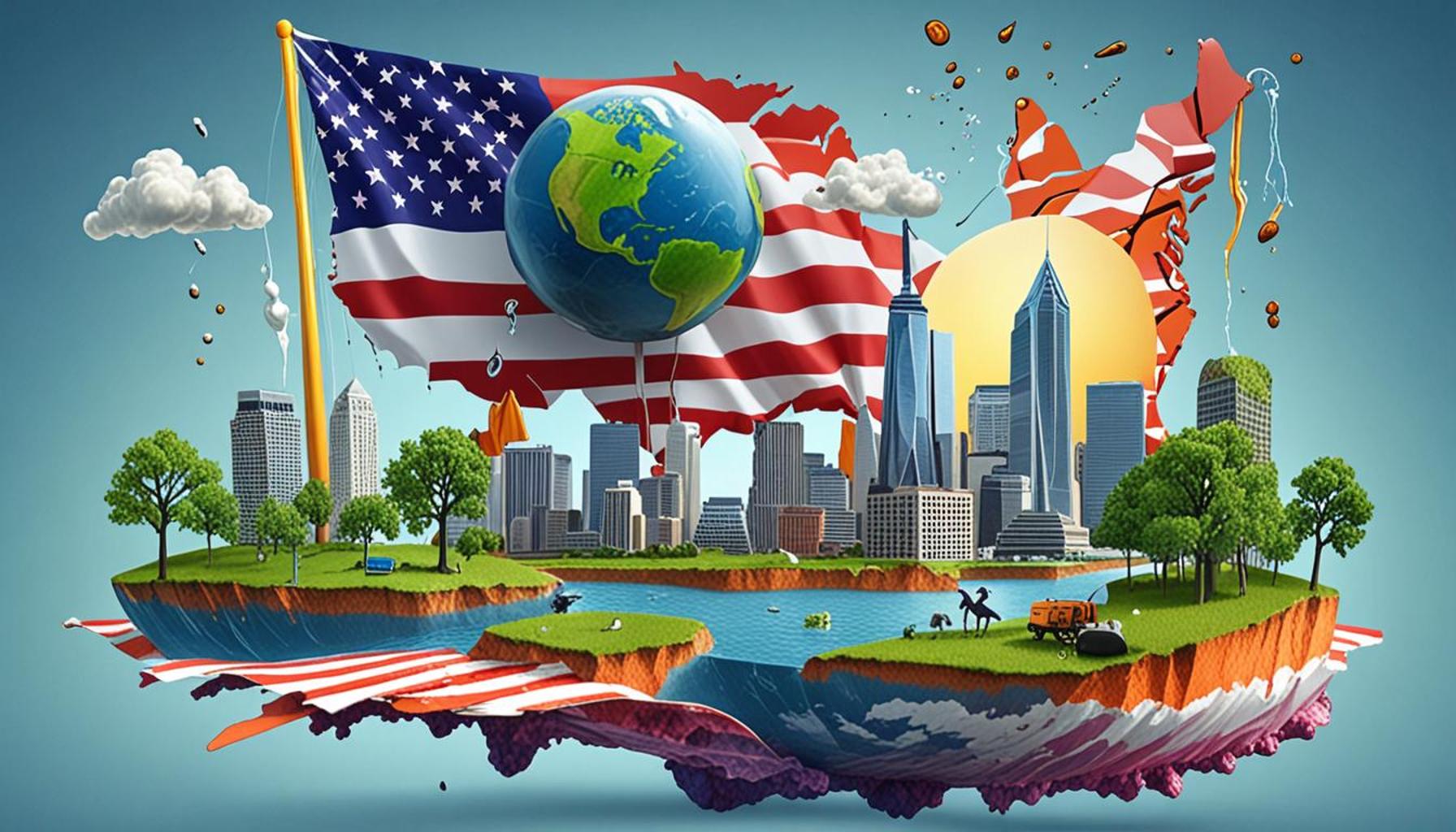
The Economic Impacts of Climate Change
The intricate relationship between our economy and climate change presents both challenges and opportunities that require urgent attention. As environmental patterns shift, the United States stands at a pivotal juncture where proactive measures can dictate the economic landscape of the future. Understanding and addressing these impacts today is essential for strategic financial planning.
Natural Disasters
One of the most pressing concerns in the wake of climate change is the increasing frequency and intensity of natural disasters. Events such as hurricanes, wildfires, and floods not only pose immediate threats to life and property but also lead to devastating losses for businesses and local economies. For instance, Hurricane Katrina in 2005 resulted in more than $100 billion in damages, profoundly affecting not only the state of Louisiana but also the broader national economy. Investing in disaster resilience and infrastructure improvements is crucial to mitigating these risks and ensuring economic stability.
Sector Vulnerability
Certain sectors of the economy are particularly vulnerable to the impacts of climate change, most notably agriculture and fisheries. Changes in temperature, precipitation patterns, and the health of marine ecosystems can significantly affect crop yields and fish populations. For example, the rising temperatures have been linked to decreased corn and wheat production in the Midwest, which could lead to increased food prices and heightened food insecurity. By adopting sustainable practices, farmers and fishers can enhance their resilience, ensuring that food supply chains remain robust.
Energy Transition
The transition towards renewable energy sources is another critical area that presents both challenges and unprecedented opportunities. While moving away from fossil fuels can create initial disruptions, the long-term benefits of investing in renewable energy technologies—such as solar, wind, and hydroelectric power—are substantial. As the U.S. aims for net-zero emissions by 2050, strategic investments in green technologies will not only stimulate job growth but also foster energy independence and reduce vulnerability to global oil price fluctuations.
Financial decisions made in the present can have long-lasting effects on the economy. By prioritizing investments in sustainable technologies, green infrastructure, and disaster preparedness, stakeholders can secure future economic stability and growth. Ultimately, adapting to climate change and investing in resilience is not merely an environmental issue; it’s a financial imperative that can safeguard livelihoods and ensure a stable economic future.
As policymakers and businesses navigate these evolving challenges, foresight in financial planning becomes paramount. By taking a long-term view, the U.S. can not only mitigate the impacts of climate change but also turn these challenges into opportunities for innovation, job creation, and sustainable economic development.
LEARN MORE: Click here for insights on interest rates and credit cards
Strategic Financial Planning for a Resilient Economy
As the ramifications of climate change become increasingly evident, the United States is compelled to reassess its financial planning strategies to promote economic resilience. This proactive approach involves recognizing the sectors most at risk and undertaking targeted investments that can safeguard livelihoods and ensure long-term growth. Addressing economic vulnerabilities today is essential to mitigate future risks and capitalize on emerging opportunities.
Investing in Infrastructure
Strong, resilient infrastructure is the backbone of any economy, especially in the context of climate change. The U.S. faces a pressing need to bolster its infrastructure to withstand extreme weather events and rising sea levels. Key areas requiring immediate attention include:
- Transportation Networks: Upgrading roads and bridges to endure severe storms and flooding.
- Water Management Systems: Enhancing systems to manage increased rainfall and prevent contamination during floods.
- Energy Infrastructure: Modernizing the grid to integrate renewable energy sources efficiently.
By prioritizing investments in these critical infrastructures, the U.S. can not only protect against economic losses associated with natural disasters but can also stimulate job creation within construction and engineering sectors. Such investments pave the way for sustainable economic growth, providing jobs and bolstering local economies.
Financial Instruments for Risk Mitigation
To prepare for the economic shocks brought about by climate change, the U.S. must explore innovative financial instruments that can mitigate associated risks. This includes the development of climate-adaptive insurance products and bonds that can support environmental restoration efforts. For example:
- Catastrophe Bonds: These bonds provide immediate liquidity for recovery efforts following a natural disaster.
- Green Bonds: These finance projects aimed at environmental sustainability, such as renewable energy installations and energy efficiency upgrades.
Implementing these financial tools not only aids in disaster recovery but also promotes a culture of long-term climate awareness among investors and stakeholders. By aligning financial markets with environmental goals, the U.S. can foster a more resilient economic landscape.
Workforce Transition and Skill Development
As industries adapt to the realities of climate change, workforce transition becomes pivotal. The shift towards renewable energy and sustainable practices necessitates a workforce equipped with the relevant skills and knowledge. Policies promoting education and training programs in clean energy technologies and sustainable practices will be crucial. Investing in workforce development can ensure that the U.S. has a competitive advantage in the emerging green economy.
Establishing partnerships between government, educational institutions, and private sectors can facilitate this transition. Programs designed to reskill individuals from traditional industries, such as fossil fuels, into growing sectors, will not only address unemployment but also harmonize the workforce with future economic demands.
In conclusion, as the U.S. navigates the turbulent waters of climate change, strategic financial planning becomes imperative. By investing in infrastructure, exploring innovative financial tools, and fostering a skilled workforce, the nation can ensure economic resilience in the face of environmental challenges. Today’s financial decisions will greatly influence sustainable growth and stability for generations to come.
DIVE DEEPER: Click here to learn more about stock market volatility
Innovative Policies and Regulatory Frameworks
To effectively tackle the economic impacts of climate change, the U.S. must implement innovative policies and regulatory frameworks that foster sustainable practices across various sectors. Such measures not only help mitigate climate-related risks but also drive investment towards greener technologies and solutions. Creating an environment conducive to sustainable growth is essential for future economic stability.
Carbon Pricing Mechanisms
Implementing carbon pricing mechanisms, such as carbon taxes and cap-and-trade systems, can play a crucial role in incentivizing emissions reductions. By placing a monetary cost on carbon emissions, companies are encouraged to innovate and adopt cleaner technologies. This strategy not only promotes environmental sustainability but also generates revenue that can be reinvested in climate adaptation and mitigation efforts.
The revenue generated from carbon pricing can be directed toward funding sustainable infrastructure projects, education, and training programs, thus fostering a holistic approach to economic resilience. By aligning economic incentives with environmental goals, the U.S. can enhance its competitive edge in the global market.
Supporting Research and Development
Investment in research and development (R&D) for clean energy and other climate-resilient technologies is vital in preparing for the future. The U.S. can benefit significantly from encouraging collaboration between public and private sectors to advance innovations. R&D funding can focus on:
- Renewable Energy Sources: Innovations in solar, wind, and hydropower technologies that enhance efficiency and reduce costs.
- Energy Storage Solutions: Developing advanced battery systems and other technologies that ensure energy reliability.
- Carbon Capture Technologies: Creating methods to capture and store carbon emissions from industrial processes.
By prioritizing R&D initiatives, the U.S. not only positions itself as a leader in the green economy but also creates a multitude of job opportunities in high-demand sectors. The long-term impact of these investments will contribute to an economy that is both eco-friendly and robust.
Engaging the Private Sector
The private sector plays a pivotal role in the transition towards a climate-resilient economy. Encouraging businesses to adopt sustainable practices through incentives such as tax credits, grants, and low-interest loans can facilitate this transition. Public-private partnerships can also drive significant progress by aggregating resources and expertise.
Furthermore, policymakers can establish frameworks that encourage companies to report on environmental impacts and sustainability practices, enhancing transparency and accountability. This not only encourages responsible corporate behavior but also attracts investors interested in sustainable businesses.
Community-Based Adaptation Initiatives
Empowering local communities to lead climate adaptation and resilience initiatives is essential in addressing economic vulnerabilities at the grassroots level. By supporting community-based adaptation projects, the U.S. can ensure that solutions are tailored to regional challenges and resources. Such initiatives may include:
- Local Agriculture Resilience Programs: Enhancing food security through sustainable farming practices that adapt to changing climate conditions.
- Coastal Protection Initiatives: Implementing natural and engineered solutions to protect vulnerable coastal areas from sea-level rise.
- Community Renewable Energy Projects: Empowering neighborhoods to invest in and manage local renewable energy resources.
Engaging local populations not only builds resilience but also fosters economic growth at the community level. By investing in localized solutions, the U.S. can create a more adaptive and self-sufficient economy.
DISCOVER: Click here to deepen your investment knowledge
Conclusion
The economic impacts of climate change present significant challenges that require proactive and strategic responses from the United States. As explored through innovative policies, regulatory frameworks, and community engagement, the necessity for a sustainable approach has never been more critical. Investing in carbon pricing mechanisms and supporting research and development are fundamental steps toward aligning economic growth with ecological preservation.
Furthermore, engaging the private sector forms a crucial element in this transition. By incentivizing businesses to adopt sustainable practices, the U.S. not only enhances corporate responsibility but also attracts investments that support long-term growth. As companies increasingly report on environmental impacts, a transparent and accountable framework fosters trust and further propels sustainable development.
Local communities, as essential stakeholders, must also be empowered to drive adaptation initiatives tailored to their specific needs. By focusing on localized solutions, the U.S. ensures that resilience-building efforts not only address immediate vulnerabilities but also create sustainable economic opportunities for the future.
Ultimately, the decisions made today will shape the economic landscape of tomorrow. A committed investment in sustainable practices, innovation, and community engagement will pave the way for a robust, climate-resilient economy. By prioritizing these strategic approaches, the U.S. stands to gain not only environmental stability but also economic prosperity that benefits current and future generations.
Related posts:
The Effect of Globalization on American Industries: A Critical Analysis
The Role of Monetary Policies in Economic Stability Post-Pandemic
Impact of Inflation on American Families' Investment Decisions
Analysis of Stock Market Volatility and Its Reflection on the U.S. Economy
The Role of Technological Innovation in American Economic Dynamics: A Critical Approach
The Influence of Interest Rates on Credit Accessibility in the USA

Linda Carter is a writer and financial expert specializing in personal finance and financial planning. With extensive experience helping individuals achieve financial stability and make informed decisions, Linda shares her knowledge on the our platform. Her goal is to empower readers with practical advice and strategies for financial success.