
Technical Analysis vs. Fundamental Analysis: Which Approach is Better for Beginner Investors?
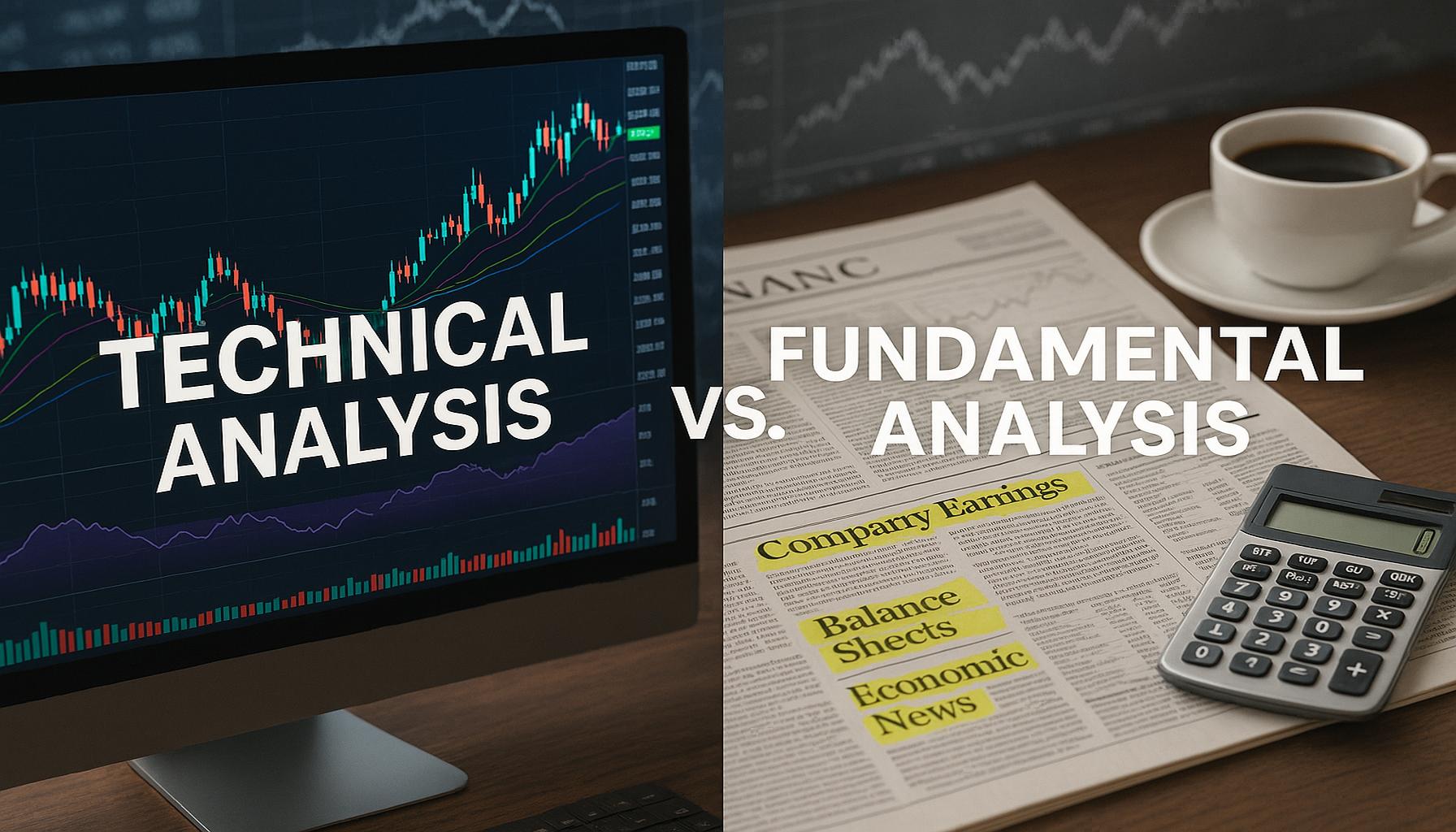
Understanding Technical Analysis
Technical Analysis relies on the belief that past price movements can predict future trends. Investors utilize various tools to gauge market sentiment and current price dynamics. For instance, a bullish market might show rising prices and higher trading volumes, indicating increased investor confidence. Common instruments in this analysis include:
- Charts: Investors often use line charts, candlestick charts, and bar charts to track historical price movements.
- Moving Averages: These indicators smooth out price data to help identify trends over a specified period. For example, a 50-day moving average provides insight into intermediate trends.
- Volume Analysis: This examines the number of shares traded during a specific period, which can validate the strength of a price move. For instance, if a stock’s price rises sharply on high volume, it may indicate a sustained upward trend.
Diving into Fundamental Analysis
In contrast, Fundamental Analysis offers a more in-depth examination of a company’s financial health and market position. By evaluating a company’s balance sheet, income statement, and cash flow statement, investors aim to grasp its true value. Key components of this approach include:
- Earnings Reports: Investors scrutinize quarterly reports to assess profits, revenues, and future guidance. A company reporting consistent earnings growth may be more appealing to investors.
- Market Conditions: Broader industry trends and market shifts can significantly impact a company’s performance. For example, the rise of electric vehicles has created strong demand for companies in that space, leading savvy investors to pivot their strategies accordingly.
- Economic Indicators: Keeping an eye on macroeconomic factors, such as the interest rate environment or unemployment rates, enables investors to make informed decisions based on the economic landscape.
Making Your Choice
For newcomers to investing, understanding these methodologies is critical. While Technical Analysis may appeal to those who enjoy short-term trading or day trading, Fundamental Analysis tends to attract investors interested in long-term growth. For example, a trader using technical analysis might enter and exit trades frequently, while a fundamental investor focuses on holding stocks for an extended period to align with the company’s growth potential.
Ultimately, many investors find a hybrid approach beneficial, utilizing both strategies to form a more comprehensive view of the investment landscape. Recognizing your personal investment style and comfort level with market fluctuations will guide you in choosing the right method for you.
DISCOVER MORE: Click here to learn how to apply for your Santander Credit Card
Understanding the Basics of Technical and Fundamental Analysis
To effectively navigate the world of investing, it’s essential for beginners to differentiate between Technical Analysis and Fundamental Analysis. Each approach has its unique characteristics, advantages, and limitations that can help shape a new investor’s strategy. Understanding these methodologies can empower investors to make informed decisions, whether they are looking for short-term gains or long-term stability.
The Core of Technical Analysis
Technical Analysis is primarily focused on price movements and trading volumes, with analysts believing that historical data can provide insights into future price actions. This methodology is particularly useful for those who prefer to engage in short-term trading. By relying on charts and various indicators, traders can identify patterns and trends that may suggest future price movements. Here are some fundamental concepts associated with technical analysis:
- Trend Lines: These lines help connect price points on charts, establishing support and resistance levels. For example, if a stock often bounces back when it hits £50, this price point becomes a support level. Conversely, if it struggles to rise above £60, that’s a resistance level. Understanding where these trends lie can help traders make informed decisions about entry and exit points.
- Oscillators: Instruments such as the Relative Strength Index (RSI) or Stochastic Oscillator signal overbought or oversold conditions. For instance, an RSI above 70 may indicate that a stock is overbought, suggesting it could be a good time to sell. Conversely, an RSI below 30 may indicate an oversold condition, indicating a possible buying opportunity.
- Chart Patterns: Certain formations, like head and shoulders or triangles, can signal potential reversals or continuations in price movement. For example, a ‘head and shoulders’ pattern might suggest that a stock, after a strong upward trend, may soon start to decline, giving traders a clear cue to strategize their actions.
The Depth of Fundamental Analysis
On the other hand, Fundamental Analysis delves into the underlying financial health of a company, making it a preferred choice for long-term investors. This approach relies on a thorough evaluation of financial statements and market conditions to determine a company’s intrinsic value. Important aspects of fundamental analysis include:
- Valuation Ratios: Ratios like Price-to-Earnings (P/E) and Price-to-Book (P/B) help assess whether a stock is overvalued or undervalued. For instance, if a company’s P/E ratio is significantly below the industry average, it may indicate a buying opportunity if the company’s fundamentals remain strong.
- Management Quality: The effectiveness and credibility of a company’s management team play crucial roles in its long-term success. Investors often look for strong leadership with a proven track record, as this can greatly influence the company’s strategic direction and performance.
- Competitive Position: Understanding a company’s market share, competitive advantages, and industry dynamics can provide insights into its resilience and growth potential. For example, a company that holds a dominant position in a niche market may have a better chance of mitigating downturns compared to its competitors.
By grasping the basic principles behind both technical and fundamental analysis, beginner investors can begin to formulate their investment strategies. It’s crucial to consider their own goals, risk tolerance, and the time they wish to dedicate to market analysis when choosing between these approaches. Knowing when to use one method over the other can ultimately influence success in the ever-changing landscape of investing. Whether opting for the insightful metrics of fundamental analysis or the rapid insights offered by technical analysis, each investor can find a path that suits their unique approach to the markets.
DIVE DEEPER: Click here to discover how to apply for the Monzo Flex credit card</
Choosing the Right Approach for Your Investment Style
As beginner investors explore the nuances of Technical Analysis and Fundamental Analysis, it becomes increasingly important to discern which approach aligns best with individual investment styles and goals. Both methodologies have their unique strengths, and understanding these can aid beginners in developing a more tailored investment strategy.
Time Commitment and Market Engagement
One notable distinction between technical and fundamental analysis is the time commitment required for each approach. Technical Analysis often necessitates a more hands-on engagement with the markets. Traders who rely on this form need to spend ample time analysing charts, observing trends, and adjusting strategies based on real-time market fluctuations. This can involve looking at minute-to-minute price changes for day trading purposes or examining daily and weekly patterns for swing trading.
In contrast, Fundamental Analysis may require an initial intensive evaluation of a company’s financial health and market environment. However, once an investor has assessed a stock’s intrinsic value, they can follow a relatively passive approach. Long-term investors often only need to monitor their holdings periodically, focusing on annual reports and significant company announcements. For novices who may have limited time to dedicate to constant market engagement, fundamental analysis may feel like a more manageable strategy.
The Importance of Market Conditions
Understanding the broader market conditions can also impact the effectiveness of the chosen analysis method. Technical Analysis tends to work well in trending markets; it thrives on patterns that can signal continuation or reversal opportunities. For instance, during a bull market, traders might look for upward trends in stock prices, whereas bear markets might encourage a focus on downside movements. New investors should be cautious during volatile periods, as technical indicators may produce false signals when the market lacks clear direction.
Fundamental Analysis, on the other hand, shines in varying economic conditions as it relies on the intrinsic value of a company rather than just short-term price action. For instance, during economic downturns, fundamentally sound companies may still generate profits and dividends, providing investors with opportunities to acquire shares at attractive prices. Knowing when to utilise these insights can lead to more informed and potentially profitable investment decisions.
Developing an Investment Strategy
Ultimately, the choice between technical and fundamental analysis may not be strictly binary. Many successful investors incorporate both methodologies into their overall strategy. Beginners can start by focusing on one approach while gradually integrating elements of the other as they gain confidence and expertise. For example, an investor could use fundamental analysis to select stocks based on financial health and market position while employing technical analysis to time their entries and exits most effectively.
It’s also essential for beginner investors to think about their risk tolerance. Technical trading can involve more frequent buying and selling, which often attracts individuals comfortable with a higher risk profile and adulting to sudden market changes. Conversely, those with a lower appetite for risk might prefer the steadier pace of fundamental investing, giving them space to research thoroughly and analyse before making significant decisions.
Investors should keep in mind that every strategy has its drawbacks and that understanding their personal preferences and circumstances will guide them toward a more satisfactory investment journey.
DISCOVER MORE: Click here for expert tips
Conclusion
In the debate of Technical Analysis vs. Fundamental Analysis, there is no one-size-fits-all answer for beginner investors. Each method offers distinct advantages and can cater to different investment styles, time commitments, and risk tolerances. For those who thrive on immediate market activity and are willing to dedicate considerable time to chart analysis, technical analysis may be the optimal choice. Conversely, investors who prefer a more foundational understanding of companies and their long-term prospects may find fundamental analysis better suited to their needs.
As highlighted throughout this article, the key to successful investing often lies in balancing both approaches. Beginners may start with one method, allowing time to develop their skills and understanding, while gradually incorporating elements of the other as they grow more comfortable. It is also crucial for novice investors to remain aware of their personal risk thresholds—experienced traders might find quick gains within the high volatility of technical trades, while more cautious individuals may prefer the stability offered by a fundamentally driven long-term approach.
Ultimately, the most effective strategy is one that aligns with your individual goals, lifestyle, and comfort level in navigating market complexities. By recognising the strengths and limitations of both analysis methods, beginner investors can embark on their journeys with greater confidence and a clearer perspective on their investment decisions. As the markets continue to evolve, adapt your strategies as needed, ensuring a thoughtful approach to building your financial future.

Linda Carter
Linda Carter is a writer and financial expert specializing in personal finance and financial planning. With extensive experience helping individuals achieve financial stability and make informed decisions, Linda shares her knowledge on the our platform. Her goal is to empower readers with practical advice and strategies for financial success.