Strategies for Saving on Big Purchases: Planning Within Your Budget

Understanding Financial Planning
Saving for large expenses can sometimes feel overwhelming. However, with the right strategies, you can make substantial purchases without straining your finances. By adhering to a clear plan, you can navigate your budgeting effectively and approach financial goals with confidence.
Consider these key steps to help you save for your larger investments:
- Create a realistic budget: Estimating your monthly income and expenses is crucial. Start by listing all sources of income, including your salary, bonuses, and any side hustles. Next, calculate all fixed expenses such as rent or mortgage, utilities, groceries, and transport costs. Reviewing this information helps you understand your financial limitations and allows for a clearer picture of how much you can allocate towards savings each month.
- Identify your goals: Be specific about what you are saving for. Whether it’s a new car that costs £20,000, a house deposit averaging about £30,000 to £60,000 in the UK, or a dream holiday to a destination like Spain or Thailand, having a definitive goal makes it easier to stay focused and motivated during your saving journey.
- Set a savings timeline: Determine how long you need to save to reach your goal. For instance, if you want to save £5,000 for a holiday in two years, you would need to save roughly £208 each month. Setting specific timelines helps maintain enthusiasm and provides milestones that can be celebrated along the way.
Once you have these essential elements in place, you can implement specific strategies to maximise your savings:
- Automate your savings: Setting up a direct debit to transfer a fixed amount into a high-interest savings account monthly can help create a ‘pay yourself first’ mentality. This ensures that your savings grow consistently without the temptation to spend the money elsewhere.
- Take advantage of discounts: Keep an eye out for seasonal sales such as Black Friday in November or the January sales after Christmas. Signing up for promotional emails from your favourite retailers can alert you to sales, giving you the chance to make your purchasing power stretch further while staying within your budget.
- Consider big-ticket alternatives: Explore second-hand options or less expensive brands. Websites like eBay or Gumtree offer opportunities to find nearly new products at reduced prices. For instance, if you’re looking for a car, researching certified pre-owned vehicles can significantly lower your expenses.
By applying these strategies, you can approach significant purchases with confidence, ensuring they fit seamlessly within your budget. Making financial planning a habit, regularly reviewing your budget, and adapting your strategies as needed can help you accomplish your goals swiftly. Remember, patience and consistency are key elements of successful saving, and by following these steps, you will witness your financial aspirations become realizable!
DISCOVER MORE: Click here to learn how to apply effortlessly
Effective Strategies to Maximise Your Savings
After setting the foundation of your financial planning, it’s time to explore specific strategies that can significantly enhance your saving efforts for big purchases. These practical techniques will not only help you accumulate funds more efficiently but also instill a sense of discipline in your spending habits.
Implementing the following tactics can better position you to reach your financial goals:
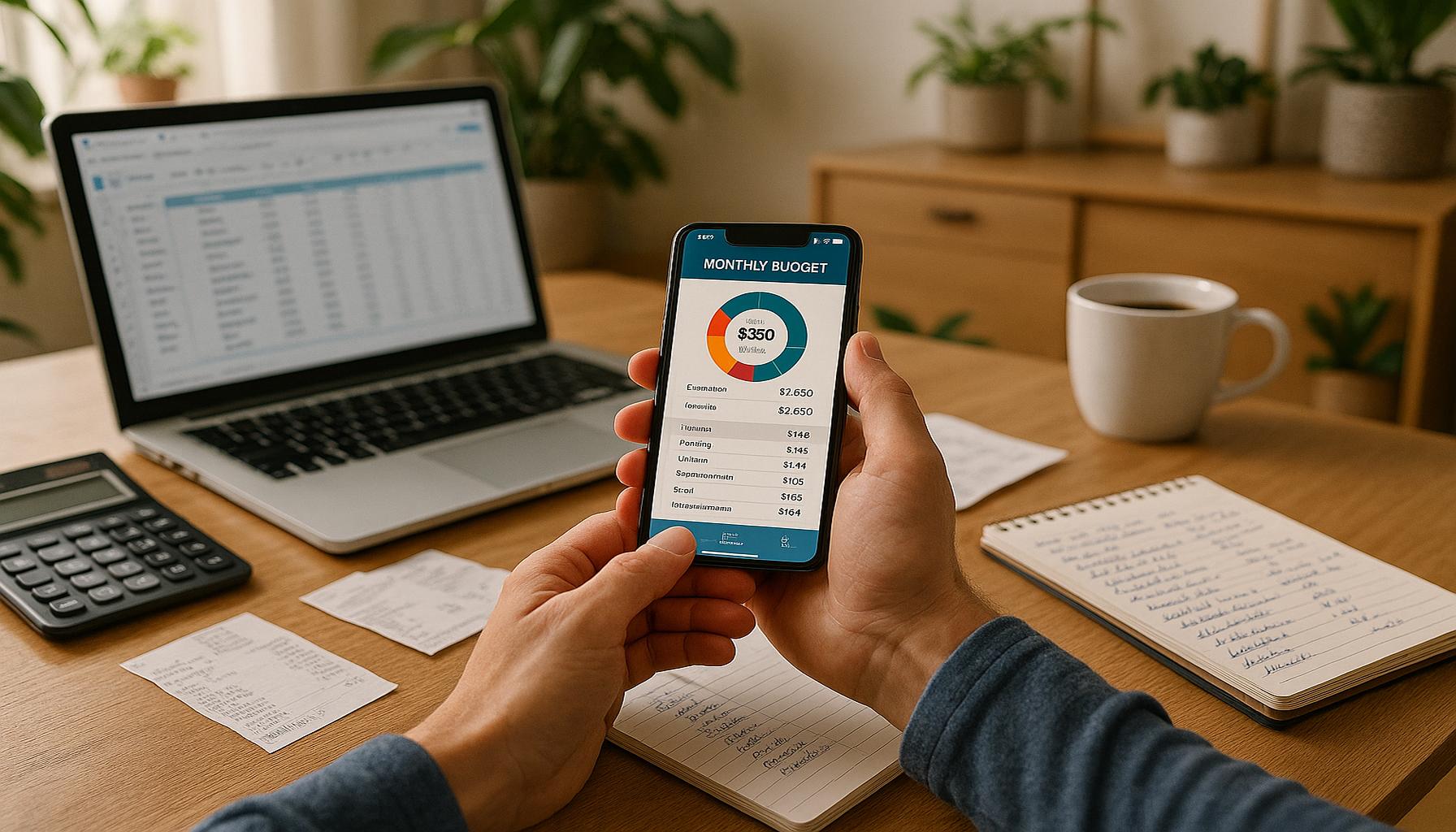
- Utilise budgeting apps: In today’s digital age, numerous apps can assist you in tracking your income and expenditures. Applications such as YNAB (You Need a Budget) or Money Dashboard allow you to categorise your spending, set specific saving goals, and even connect with your bank account for real-time updates. This transparency can motivate you to adhere to your budget and highlight areas where savings can be made.
- Decide on a fixed savings amount: Rather than saving what’s left at the end of the month, choose a specific amount to save before you even touch your disposable income. If you’re aiming for a new sofa particularly to spruce up your living room, decide to put aside £100 every month until you’ve reached your goal. When you remove this amount upfront, you won’t miss it as much, and your savings will grow steadily.
- Cut back on non-essential spending: Evaluate areas in your budget where you can reduce spending. Small changes, like brewing your morning coffee rather than buying it from a café or swapping dinner out for a home-cooked meal, can accumulate significant savings over time. For instance, if dining out costs £40 a week, cutting it down to twice a month liberates £80 that can go towards your savings.
- Take advantage of loyalty and rewards programmes: Many retailers offer loyalty schemes that can lead to discount vouchers or rewards. By consistently shopping at these stores, you can save a substantial amount towards your next big purchase. For instance, if you accumulate points at a furniture store, these can significantly offset the price of a new dining table.
- Embrace the 30-day rule: Before making a substantial purchase, wait 30 days to see if you still feel the same urge to buy it. This strategy can help you differentiate between a genuine need and an impulsive desire. During this waiting period, you may find that your initial excitement wanes, allowing you to reconsider whether the purchase aligns with your budget and savings goals.
By utilising these strategies, you can create a more tailored approach to your savings journey. They empower you to maintain focus, ensuring that your financial aspirations remain within reach without disrupting your overall financial stability. Remember, effective saving is as much about mindset as it is about budget, and employing these tactics can lead you closer to making those significant purchases a reality.
DIVE DEEPER: Click here to discover more about venture capital in the UK</
Additional Techniques to Enhance Your Saving Potential
While the initial strategies provided valuable insights into saving for big purchases, there are even more techniques that can empower you to build your savings efficiently. Implementing these additional methods can allow you to approach your financial goals with both flexibility and foresight.
- Take advantage of sales and discounts: Keep an eye on seasonal sales, clearance events, or promotional discounts. Retailers often offer substantial reductions during holidays or end-of-season clear-outs. By planning your purchases around these sales, you can lighten the financial load significantly. For instance, if you’re planning on buying a new television, waiting for Black Friday or January sales could save you hundreds of pounds.
- Set up a dedicated savings account: To keep your savings separate from your daily spending, consider opening a dedicated savings account specifically for your big purchase. This not only helps you track your progress more easily but also reduces the temptation to dip into your savings for non-essential expenses. Look for accounts that provide better interest rates or incentives, which can help grow your savings even faster.
- Automate your savings: Another effective method is to automate your transfers to your savings account. Schedule a monthly transfer on payday to ensure that your savings grow consistently without requiring active management. By automating this process, you can treat your savings like a recurring bill, making it less likely you’ll forget or delay contributions.
- Research and compare prices: Before making a purchase, take the time to research different retailers and compare prices. Websites like PriceSpy and Google Shopping can provide a comprehensive overview of current prices and any ongoing promotions. Finding the best deal can make a significant difference in your total expenditure, which means more funds can be directed toward your savings. Always remember to check for available vouchers or cashback offers, as these can further enhance your savings.
- Consider buying second-hand or refurbished items: When it comes to larger purchases like electronics or furniture, exploring second-hand or refurbished options can result in substantial savings. Websites like eBay or local marketplace platforms such as Gumtree often have listings for items in excellent condition at a fraction of the original price. Purchasing gently used or certified refurbished products not only helps your budget but is also an environmentally sustainable choice.
- Engage in a no-spend challenge: To supercharge your savings in a short time, consider undertaking a no-spend challenge. This could involve committing to a specific time frame—such as a month—where you abstain from all non-essential purchases. Use this time to focus on saving for your big ticket item, and you may be surprised at how much you can accumulate when eliminating discretionary spending.
By embracing these additional strategies, you’ll be well-equipped to enhance your saving potential as you prepare for big purchases. Remember that the journey towards financial responsibility and making substantial investments is a marathon, not a sprint. Each small change adds up and plays a crucial role in achieving your broader financial goals. Staying engaged with your savings plan will ensure your efforts manifest into tangible rewards down the line.
DISCOVER MORE: Click here to learn how to apply
Conclusion
To achieve successful savings for big purchases, it’s essential to adopt a strategic approach that combines determination with practical financial planning. One effective method is taking advantage of sales and discounts, which can significantly reduce the overall cost of your desired items. For instance, shopping during seasonal sales like Black Friday or the January sales can lead to significant savings on electronics, clothing, or home appliances.
Another useful strategy involves setting up dedicated savings accounts specifically for your big purchases. Such accounts help you separate your saving goals from your everyday spending. By depositing a set amount each month, you can watch your savings grow and feel motivated to reach your targets. For example, if you’re saving for a new car, consider opening an account that offers a higher interest rate, thus maximizing your effort.
Additionally, automating savings transfers can streamline your saving process. Many banks allow you to automatically transfer funds from your main account to a savings account on a specific date each month. This approach reduces the temptation to spend money you intended to save and ensures you are consistently working towards your goals.
Being proactive is vital; therefore, researching prices before making a purchase can help you find the best deals available. Websites like PriceSpy or CamelCamelCamel can be useful tools for tracking price trends over time. Furthermore, considering second-hand options can often lead to remarkable bargains. For instance, platforms like eBay or local marketplaces like Gumtree offer quality items at a fraction of the original cost.
It is important to create realistic timelines that align with your budget. Engage in methods like no-spend challenges for a month at a time to encourage mindful spending. These challenges not only help you reassess your habits but also provide an uplifting sense of achievement. Each smart financial decision you make builds on the next, reinforcing the principle that saving for significant expenses, while daunting, is attainable with disciplined planning.
Ultimately, achieving financial wellbeing involves both the end goal and the journey leading there. By incorporating these strategies into your daily life, you not only work towards affording larger purchases but also cultivate a mindset of financial responsibility and prudence that will benefit you throughout your life. Stay focused, keep informed, and always remember that every small step you take toward savings brings you one step closer to achieving financial independence.

Linda Carter
Linda Carter is a writer and financial expert specializing in personal finance and financial planning. With extensive experience helping individuals achieve financial stability and make informed decisions, Linda shares her knowledge on the our platform. Her goal is to empower readers with practical advice and strategies for financial success.