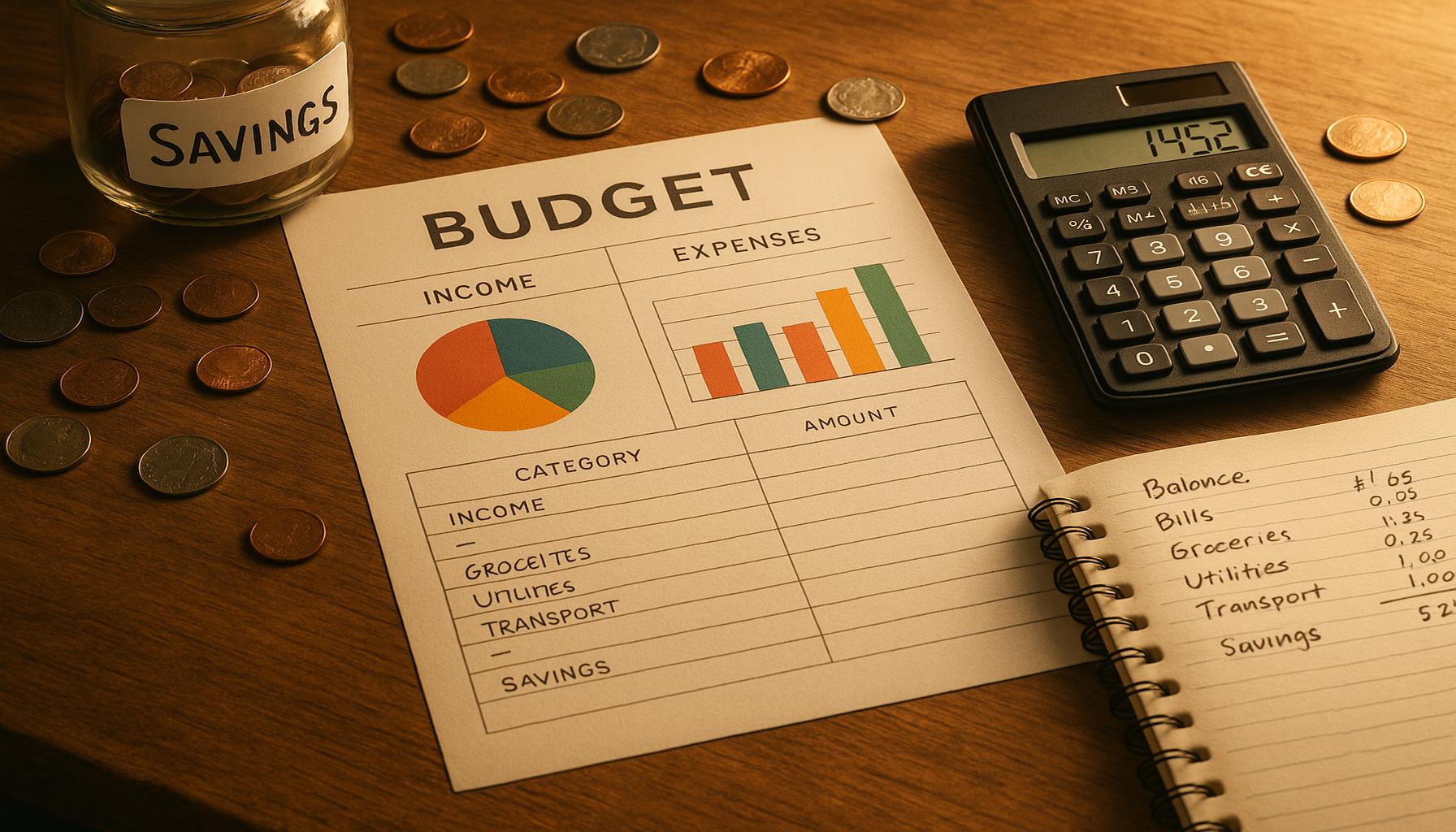
The importance of monthly personal budget review: how and why to do it

Understanding the Importance of Financial Management
Effectively managing your finances is not just about balancing your bank account; it’s a vital part of achieving your life goals, be it saving for a house, planning a dream holiday, or preparing for retirement. A monthly personal budget review acts as a beacon guiding you through your financial journey, ensuring you remain on track towards these ambitions. Not only does it empower you to understand where your money is going, but it also helps you make intelligent decisions about future spending.
Here are some key benefits of a monthly budget review:
- Identifies spending patterns: Regular reviews can uncover spending habits that you might not be consciously aware of. For example, you might find that your daily coffee runs cost you £50 a month, or that subscription services you no longer use are quietly draining your resources.
- Aids in goal setting: By assessing your financial progress during each review, you can set realistic, achievable goals. For instance, if you find you’re consistently overspending on entertainment, you could decide to allocate a fixed amount for leisure activities moving forward, ultimately saving more towards a future goal, such as an emergency fund or travel plans.
- Promotes financial awareness: Keeping a close watch on your budget enhances your knowledge of your financial situation. This awareness can lead you to make better choices, like opting for public transport instead of driving, thereby saving on petrol and parking costs.
Steps to Conduct an Effective Budget Review
To ensure a fruitful budget review, follow these straightforward steps:
- Gather documentation: Start by collecting all relevant financial documents, including bank statements, receipts, and records from previous budgets. This will give you a full picture of your income and expenses over the past month.
- Compare income and expenses: Examine your total income against your expenses. Look for discrepancies between your planned budget and what you’ve actually spent. For instance, if you budgeted £100 for groceries but spent £150, it’s crucial to understand why this happened and how you might adjust in the future.
- Adjust your budget: Based on your assessment, make necessary changes to your budget. If you’ve noticed a surge in utility bills, consider if any alterations can be made, such as reducing energy usage or finding better rates. Always align these adjustments with your short- and long-term financial goals.
By dedicating time each month to review your budget, you not only cultivate better financial habits but also enhance your confidence in managing money effectively. This simple yet powerful practice can significantly contribute to long-term financial stability and peace of mind, helping you to not just survive but thrive financially.
DISCOVER MORE: Click here for easy steps to apply
The Benefits of Regular Budget Reviews
A monthly personal budget review offers numerous advantages that can significantly impact your financial well-being. Understanding these benefits is essential to appreciate the value of this practice fully. Let’s explore some of the main reasons why committing to a regular budget assessment can transform the way you manage your finances.
- Enhances financial accountability: By routinely reviewing your budget, you cultivate a sense of responsibility towards your spending habits. This habit encourages you to take ownership of your financial choices. For instance, if you observe that dining out is costing more than planned, this awareness can prompt you to prepare meals at home more frequently, thereby reducing unnecessary expenses.
- Encourages proactive financial planning: A budget review helps you stay ahead of any potential financial difficulties by allowing you to adjust your spending before issues arise. For example, if you notice an increase in your monthly internet bill, addressing this change in your budget can help you find ways to cut costs or switch to a more economical plan before it begins to impact your finances severely.
- Creates opportunities for savings: Identifying non-essential expenses during your review can open doors to saving more money. Perhaps your analysis reveals that weekly takeaways are adding up to a substantial amount over the month. By opting for home-cooked meals instead, you might free up additional cash to contribute to a holiday fund or an emergency savings account.
- Builds investment potential: Regularly assessing your budget can give you insight on how much money you have available for investment. By understanding your surplus income and where you can cut back, you can allocate these funds towards investments, be it in stocks, shares, or even a pension plan, thus setting yourself up for long-term financial growth.
Implementing a regular budget review is not just about curbing spending; it is a comprehensive approach to understanding your financial landscape. A consistent review can position you to make informed, strategic decisions that can elevate your financial situation over time, moving you closer to your aspirations. Typical aspirations include buying a home, funding education for children, or even enjoying a worry-free retirement.
In the next section, we will delve into practical steps to conduct an effective budget review, helping you to maximise the benefits outlined above and ensuring that your financial decisions align with your personal goals. By embracing this process, you pave the way for a more secure and fulfilling financial future.
DISCOVER MORE: Click here for details on the Co-operative Bank Balance Transfer Credit Card
Practical Steps for Conducting a Monthly Budget Review
Now that we understand the significant benefits of regular budget reviews, it is crucial to explore how we can execute this process effectively. Conducting a monthly budget review does not need to be an overwhelming task. In fact, by following a few simple steps, you can streamline the process and ensure it is both manageable and productive.
1. Gather Your Financial Documents
The first step in your monthly review is to collect all relevant financial documents. This includes bank statements, credit card statements, receipts, and any other records of income or expenses. By bringing all your financial information together, you gain a clearer picture of your overall spending. It can be useful to have these documents in one place, either digitally or in a physical format, to make the review process smoother.
2. Compare Actual Spending to Your Budget
Next, you should list your budgeted amounts next to your actual spending. For example, if you had budgeted £300 for groceries but spent £350, highlighting this discrepancy allows you to see where adjustments are needed. Understanding these variances helps in identifying unnecessary spending and reinforces financial accountability. Consider creating a simple spreadsheet or using budgeting software to track this information over time, making it easier to spot trends.
3. Identify Patterns and Trends
During your review, pay attention to any recurring patterns. Is there a consistent area where you tend to overspend, such as entertainment or dining out? Or perhaps you are routinely under budget in areas like utilities, indicating that your estimations were conservative. Identifying these trends is essential for making informed adjustments to your spending habits going forward. For example, if you notice you consistently spend more than allocated for takeaways, consider setting a more realistic budget or reducing the number of times you indulge each month.
4. Set New Financial Goals
Your monthly budget review is also an ideal opportunity to set or reassess your financial goals. After analysing your spending, ask yourself whether your previously set goals are still relevant or if they need to be updated. If your current goal is to save for a holiday, consider how your spending patterns can be adjusted to support that aim. Setting specific and achievable goals will help guide your spending decisions for the coming month.
5. Plan for Upcoming Expenses
As part of your review, make sure to account for any upcoming expenses in the next month. This could include annual subscriptions, birthday gifts, or seasonal costs. By anticipating these expenses, you can allocate funds more effectively and avoid surprises that could disrupt your budget. For instance, if you know that a family member’s birthday is coming up, you might want to set aside some money from your budget throughout the month to cover it.
6. Celebrate Small Wins
Finally, don’t forget to acknowledge your progress and celebrate small wins. If you managed to stick within your budget or saved a little extra this month, take a moment to recognise that accomplishment. Celebrating these milestones helps to maintain motivation and reinforces positive financial behaviour.
By adopting these practical steps, you can ensure that your monthly budget review remains a constructive and enlightening process. It enables you to stay on track with your financial goals while continually improving your understanding and management of your personal finances.
DISCOVER MORE: Click here to unlock the complete guide
Conclusion
In conclusion, conducting a monthly personal budget review is not just a routine task; it is a vital practice that can lead to greater financial health and peace of mind. By regularly assessing your finances, you gain insight into your spending habits, help identify areas for improvement, and ultimately take control of your financial future. This proactive approach ensures that you are on track to meet your financial goals, whether that’s saving for a holiday, clearing debt, or preparing for long-term investments.
Implementing the simple steps outlined in this article allows for an effective review process that is both straightforward and rewarding. Remember to gather your financial documents, compare your spending with your budget, identify patterns, set or reassess your financial goals, plan for upcoming expenses, and celebrate your progress. These actions will help build your financial literacy and empower you to make informed decisions that align with your aspirations.
Lastly, never underestimate the positive impact of staying engaged with your personal finances. The discipline of regular budget reviews fosters a deeper understanding of money management, paving the way toward financial stability and success. By committing to this monthly practice, you not only enhance your financial awareness but also cultivate habits that will serve you well throughout your life. Remember, financial well-being is a journey, and each review brings you one step closer to your destination.

Linda Carter
Linda Carter is a writer and financial expert specializing in personal finance and financial planning. With extensive experience helping individuals achieve financial stability and make informed decisions, Linda shares her knowledge on the our platform. Her goal is to empower readers with practical advice and strategies for financial success.