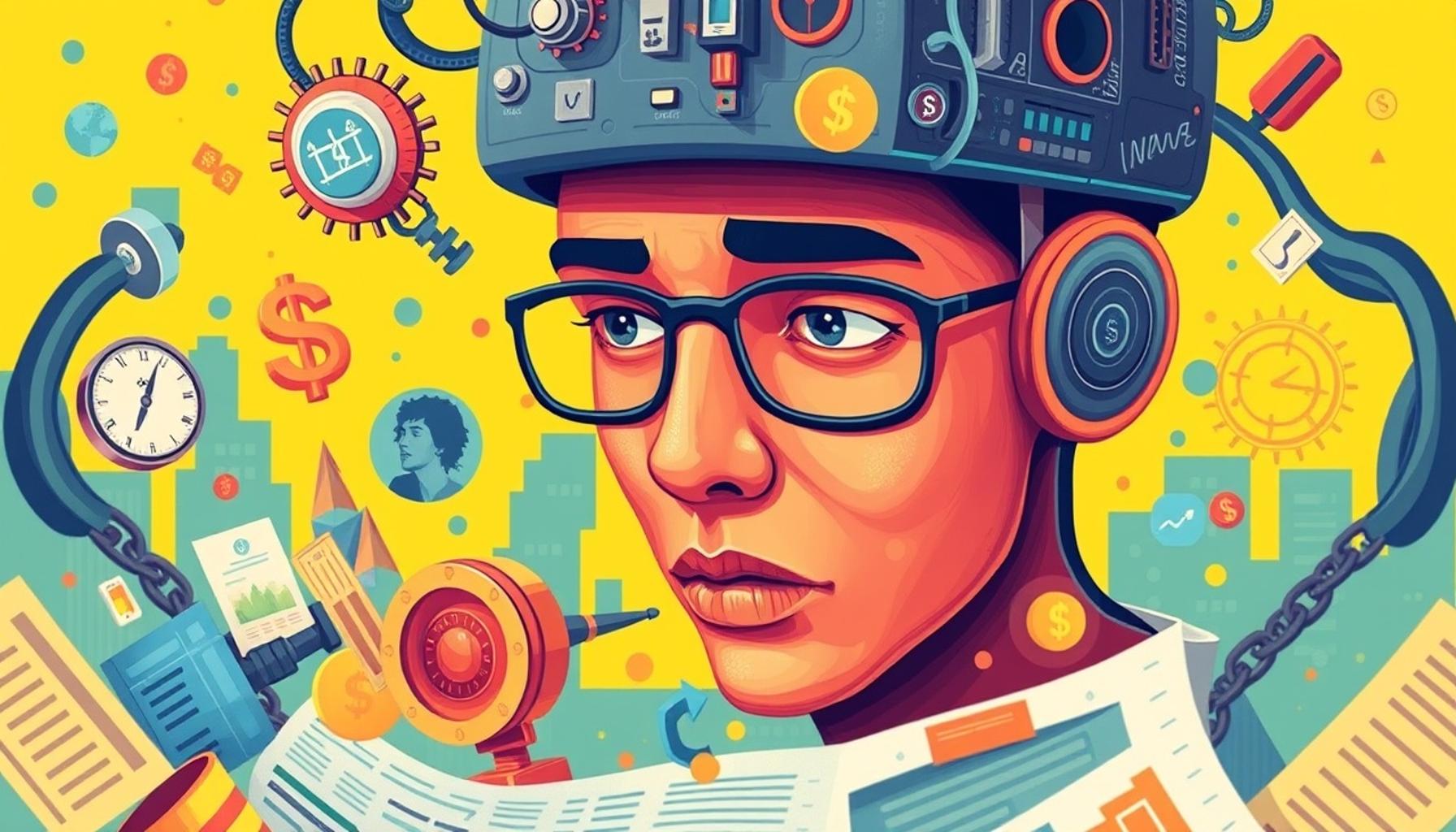
The role of Artificial Intelligence in the transformation of education: Tools and challenges for learning

The Influence of Artificial Intelligence on Education
Artificial Intelligence (AI) is reshaping the way we approach education, bringing forth a multitude of opportunities and challenges. As technology continues to evolve, the role of AI in educational settings grows increasingly significant. Implementing AI can enhance both learning experiences and facilitate administrative operations, allowing educators to focus more on teaching effectively.
Today, AI technologies enhance learning experiences and streamline administrative tasks through a variety of approaches:
- Personalized Learning: AI systems can analyze individual learning patterns and preferences, enabling the development of tailored educational programs. For example, platforms like DreamBox and Khan Academy utilize AI to adapt content and exercises based on a student’s pace and mastery of topics. This individualized approach ensures that students receive the support they need to thrive, regardless of their starting point.
- Intelligent Tutoring Systems: These systems provide real-time assistance and feedback, much like a personal tutor would. Programs such as Carnegie Learning use AI to offer step-by-step guidance in math, adjusting the difficulty level to match the student’s proficiency. This immediate feedback is essential for promoting mastery and encouraging learners to tackle increasingly complex concepts.
- Data Analytics: AI tools can help educators track student progress and identify learning gaps effectively. For example, platforms like Google Classroom and PowerSchool leverage AI to give teachers insights into students’ performance, helping them to create interventions tailored to the needs of individual learners.
Despite these advancements, the integration of AI in education presents challenges that must be addressed:
- Equity of Access: Not all students have the same access to AI tools or the internet, particularly in underfunded schools and rural areas. This digital divide can exacerbate existing inequalities in education, making it imperative for policymakers to ensure equitable access to technology and training for all students.
- Privacy Concerns: As AI systems collect and analyze student data, safeguarding personal information becomes paramount. Institutions need robust protocols to protect student privacy while complying with regulations like FERPA (Family Educational Rights and Privacy Act). Ensuring that sensitive information is secure will help build trust between educators, students, and parents.
- Teacher Training: For AI tools to be effectively integrated into the classroom, educators must receive thorough training. Professional development programs focused on AI literacy can empower teachers to harness these technologies confidently, enriching the learning experience for their students.
As we delve into this transformative subject, exploring both the practical tools and inherent challenges will be vital to understanding how AI can shape the future of learning. By addressing these challenges, we can unlock the full potential of AI in education, creating a more dynamic and inclusive learning environment for students of all backgrounds.
LEARN MORE: Click here to discover the future of cryptocurrencies
Enhancing Learning Through AI Tools
Artificial Intelligence has ushered in a new era in education, where traditional teaching methods are being complemented by intelligent technologies. One of the most impactful applications of AI is in the realm of personalized learning. This approach recognizes that each student has a unique learning style and pace, and by harnessing AI, educators can create customized pathways for students. For instance, platforms like DreamBox and Khan Academy utilize sophisticated algorithms to adapt the curriculum based on individual student responses. This means that if a student excels at a particular topic, they can be quickly advanced to more challenging material, while those who struggle receive additional, targeted exercises to help them master the concepts.
Additionally, intelligent tutoring systems are becoming integral to modern classrooms. Programs such as Carnegie Learning provide real-time assistance, mimicking the support a tutor would offer. These systems analyze a student’s responses not just to provide correct answers, but to guide them through the problem-solving process. The AI in these systems can adjust the complexity of the problems based on a student’s level of understanding, making learning more effective and engaging.
Moreover, data analytics plays a crucial role in enhancing educational outcomes. With AI tools like Google Classroom and PowerSchool, teachers can easily monitor student progress and identify areas where intervention may be necessary. By analyzing trends in data, educators can spot patterns, such as which topics may be universally problematic for students. This data-driven approach allows for timely and informed decision-making, equipping teachers with the knowledge they need to support their students effectively.
As we embrace these innovative tools, it is essential to recognize and tackle the challenges that come with AI integration in education:
- Equity of Access: The digital divide is a significant hurdle in ensuring all students benefit from AI technologies. Not every school has equal access to resources or internet connectivity, often leaving the most disadvantaged students behind. It is crucial for policymakers to strive for equitable access, ensuring that every student, regardless of location or background, can utilize these transformative tools.
- Privacy Concerns: With the increasing reliance on data collection comes the responsibility of protecting student privacy. Educational institutions must establish robust security measures to comply with regulations like FERPA (Family Educational Rights and Privacy Act) and to maintain trust among students and parents. This entails implementing strict data governance frameworks to safeguard personal information.
- Teacher Training: To fully harness the potential of AI tools, teachers themselves need adequate training and support. Professional development programs focused on AI literacy can help educators understand how to effectively incorporate these technologies into their instruction. Improved training can lead to enhanced confidence and skill in integrating AI tools, ultimately benefiting the students in their care.
By exploring these novel tools and confronting the associated challenges, we can better understand the potential for AI to enrich educational experiences and foster a more inclusive and effective learning environment.
DISCOVER MORE: Click here for a detailed guide
Addressing Challenges of AI Integration in Education
While AI has the potential to significantly enhance educational experiences, implementing these advanced tools is not without its challenges. It is imperative to navigate these obstacles thoughtfully to ensure that the benefits of AI are accessible to all students.
Resistance to Change
One of the foremost challenges faced by educational institutions is the resistance to change. Many educators and administrators may feel hesitant to adopt new technologies due to habitual reliance on traditional teaching methods. This apprehension can stem from a lack of understanding regarding the capabilities of AI tools or concerns about their effectiveness. To bridge this gap, schools should implement change management strategies that involve comprehensive workshops and hands-on training sessions. By showcasing successful case studies where AI has positively impacted learning, educators can slowly build trust and confidence in these innovative methods.
Balancing Human Interaction
Another critical aspect is the balance between technological and human interaction. Education is not just about consuming information; it is fundamentally a social process. The presence of a knowledgeable and empathetic teacher remains irreplaceable. AI should be viewed as a complement to, rather than a replacement for, human educators. Schools must strive to maintain this balance by using AI tools to support teachers—allowing them to dedicate more time to individualized instruction and mentorship. For example, AI can handle administrative tasks such as grading, enabling teachers to focus on fostering meaningful relationships with students, which is essential for social and emotional learning.
Ethical Implications
The ethical implications surrounding AI in education cannot be overlooked. These technologies rely heavily on data—often including sensitive information about students. Schools must develop ethical frameworks that govern the use of AI, ensuring it respects student autonomy and promotes fairness. This encompasses making transparent decisions about data collection, usage, and retention. Furthermore, educators should actively involve students and parents in conversations about how their data will be utilized, empowering them to make informed choices regarding their privacy.
Continuous Improvement and Feedback Loops
Finally, schools should establish mechanisms for continuous improvement and feedback as they integrate AI tools into their curricula. This ensures that the adaptation process remains flexible and responsive to the evolving educational landscape. Creating forums for teachers, students, and parents to share their experiences and suggestions can foster a culture of collaboration. By collectively identifying areas for improvement, educational institutions can refine their AI initiatives, ensuring they are truly meeting the diverse needs of students.
Addressing these challenges with proactive measures will be instrumental in leveraging AI’s transformative potential in education. By embracing change, maintaining the human element, upholding ethical standards, and prioritizing feedback, educators can cultivate a more effective and dynamic learning environment that benefits all students.
DISCOVER MORE: Click here to learn about interest rates’ impact on
Conclusion
In conclusion, the role of Artificial Intelligence in transforming education is both profound and multifaceted. AI has the potential to personalize learning experiences, automate administrative tasks, and provide valuable insights that enhance educational practices. However, as we have explored, the integration of AI in the classroom presents various challenges that educational institutions must thoughtfully address. Resistance to change among educators, the need for a balance between technology and human interaction, ethical considerations surrounding data use, and the necessity for continuous improvement are all critical factors that require attention.
By fostering a culture that embraces innovation, while also prioritizing teacher-student relationships, schools can create an environment where AI serves as a tool for empowerment rather than a replacement for human connection. Additionally, establishing clear ethical guidelines for data usage will ensure that all stakeholders feel secure and informed about how AI is being utilized in their educational journey.
Ultimately, the successful integration of AI in education hinges on collaborative efforts among educators, technology developers, and policymakers. By working together to share best practices, provide ongoing training, and adapt digital tools to meet diverse student needs, we can move towards a more inclusive and effective educational landscape. Embracing these advanced technologies while remaining grounded in the fundamental principles of teaching can unlock new opportunities for learning and growth, ensuring that every student can thrive in an increasingly digital world.

Linda Carter
Linda Carter is a writer and expert known for producing clear, engaging, and easy-to-understand content. With solid experience guiding people in achieving their goals, she shares valuable insights and practical guidance. Her mission is to support readers in making informed choices and achieving significant progress.