
The Risks of Cybersecurity in Remote Work Environments: How to Protect Your Business
Understanding Cybersecurity Risks in Remote Work
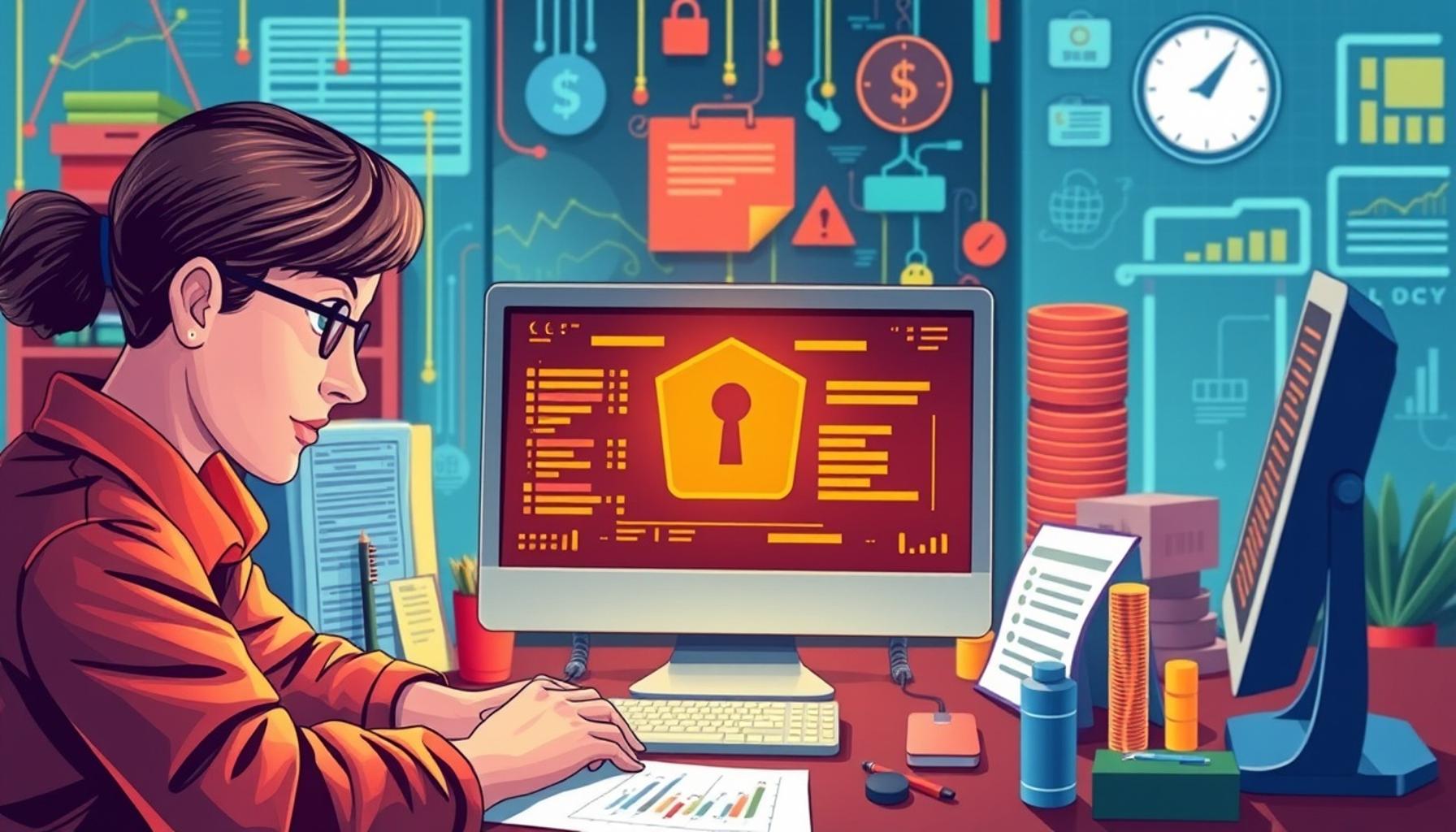
The shift towards remote work has transformed how businesses operate, providing flexibility and convenience for employees. However, this newfound freedom has also opened the door to significant cybersecurity risks. As teams access sensitive company information from varied locations—ranging from coffee shops to home offices—the potential vulnerabilities have increased exponentially, making it essential for organizations to prioritize cybersecurity.
Among the myriad of threats faced by remote workers, one of the most concerning is phishing attacks. These attacks often occur when employees receive deceptive emails that appear legitimate. For instance, an unsuspecting employee might receive an email that mimics their bank asking them to verify account details. If they click on the link, they may unknowingly provide sensitive information to a cybercriminal. It’s crucial for employees to be educated about recognizing these threats and to verify the authenticity of emails before interacting with them.
Another significant risk arises from unsecure networks. Unlike corporate environments, many home networks lack comprehensive security protocols such as firewalls or strong encryption. This makes them appealing targets for hackers. For example, if an employee connects to public Wi-Fi at a cafe without a Virtual Private Network (VPN), their data could potentially be intercepted, exposing sensitive company information. Encouraging the use of VPNs and educating employees about the dangers of public networks can help mitigate these risks.
Data loss is an additional concern that businesses must address. With employees using personal devices, there’s always the risk of equipment being misplaced or stolen. Imagine a scenario where a laptop containing confidential client data is left in an Uber. Without proper encryption, this data could fall into the wrong hands, leading to severe financial consequences for the organization. To safeguard against this, companies should implement robust data protection policies, including device encryption and regular data backups.
Despite these risks, organizations can adopt proactive strategies to enhance their cybersecurity measures. Simple steps such as conducting regular security training sessions for employees, implementing multi-factor authentication (MFA), and ensuring all devices have the latest security updates can significantly reduce vulnerabilities. By fostering a culture of awareness and vigilance towards cybersecurity threats, businesses can not only protect their sensitive information but also build a more resilient workforce.
In the following sections, we will delve deeper into practical strategies that organizations can employ to navigate the complex landscape of cybersecurity in remote work settings. With a thoughtful approach, companies can embrace the benefits of remote work while effectively safeguarding their assets.
DIVE DEEPER: Click here to discover how to maximize your rewards
Identifying Common Cybersecurity Threats
To effectively protect your business in a remote work environment, it is crucial to identify the common cybersecurity threats that employees may encounter. Understanding these threats will enable organizations to implement robust measures to safeguard their sensitive data. Below, we outline some of the prevalent risks that businesses must be aware of:
- Phishing Scams: As mentioned previously, phishing scams are insidious and often appear to be legitimate communications. Cybercriminals use tactics like impersonating reputable companies or colleagues to trick employees into revealing personal information. Staying vigilant and regularly updating staff on the evolving tactics used in these scams is essential.
- Malware: Malware incorporates a wide range of malicious software, including viruses, ransomware, and spyware. Once downloaded onto a device, malware can compromise sensitive data and disrupt business operations. Employees should be advised against downloading software from unknown sources and encouraged to use trusted sources only.
- Insider Threats: While most cybersecurity concerns focus on external threats, insider risks can also pose major challenges. Dissatisfied employees or those unaware of proper protocols can accidentally release sensitive information. Companies should regularly assess employee access levels and implement strict data handling procedures.
- Unsecured Devices: The increase in the use of personal devices for work (often referred to as BYOD—Bring Your Own Device) can lead to significant vulnerabilities. Without appropriate security measures, devices may lack encryption or adequate antivirus protection. To combat this, organizations should establish clear guidelines regarding the use of personal devices for work-related tasks.
- Social Engineering: Social engineering exploits human psychology rather than technical vulnerabilities. Cybercriminals manipulate individuals into providing confidential information, often through phone calls or in-person interactions. Educating employees about the importance of verifying identities before sharing sensitive information is crucial.
Recognizing these threats is just the beginning. To nurture a robust defensive posture, businesses must also prepare their workforce to respond proactively. Regular training sessions can help employees learn about the latest threats and develop best practices for maintaining security. For example, utilizing simulations of phishing attempts can enable staff to practice recognizing these threats in real-time, enhancing their ability to respond appropriately.
Moreover, companies should consider deploying advanced security technologies such as endpoint protection solutions that can identify and neutralize threats in real-time. Providing employees with access to the latest security tools and maintaining a supportive environment for reporting suspicious activities can go a long way in reinforcing organizational cybersecurity.
Through a combination of awareness, training, and leveraging technology, businesses can create a well-rounded cybersecurity strategy that addresses the unique risks associated with remote work. In the subsequent sections, we will discuss specific protective measures organizations can adopt to enhance their cybersecurity framework.
DIVE DEEPER: Click here to learn more
Implementing Effective Cybersecurity Measures
After identifying common cybersecurity threats, the next step is to implement effective cybersecurity measures to safeguard your business in a remote work environment. Addressing vulnerabilities requires a proactive approach, incorporating both technology solutions and employee engagement. Below are some practical strategies that organizations can adopt:
- Establish Strong Password Policies: A solid password policy is the first line of defense against unauthorized access. Encourage employees to use complex passwords that include a mix of letters, numbers, and symbols. Implement mandatory password changes every few months, and educate staff about the importance of not reusing passwords across different accounts. Using password managers can also help employees generate and store strong passwords securely.
- Implement Multi-Factor Authentication (MFA): Utilizing MFA significantly enhances security by requiring users to provide two or more verification factors to access accounts. For example, in addition to a password, employees might need to enter a unique code sent to their mobile device. This extra layer of security can deter cybercriminals even if passwords are compromised.
- Regular Software Updates: Keeping software, applications, and antivirus programs updated is crucial to protect against newly discovered vulnerabilities. Schedule regular maintenance and ensure that all devices connected to your network, including personal devices used for work, are running the latest versions of software. Automating updates where possible can further reduce the burden on employees while enhancing security.
- Create a Secure Virtual Private Network (VPN): When employees access company resources remotely, using a VPN encrypts their internet connection, making it difficult for hackers to intercept data transmission. Ensure that all employees utilize a VPN when connecting to public Wi-Fi networks, as these can be particularly susceptible to interception and attacks.
- Segment Your Network: Network segmentation involves dividing your network into smaller, manageable sections which can limit unauthorized access. This tactic ensures that if one section is compromised, the breach won’t affect the entire network. For example, sensitive data can be stored on a separate network segment that only authorized personnel can access, reducing the risk of exposure.
In addition to these technical measures, organizations should foster a culture of cybersecurity awareness. Conduct regular training sessions that emphasize recognizing and responding to cybersecurity incidents. For instance, providing employees with training on how to securely handle sensitive information during video conferences can prevent accidental data leaks.
Moreover, it’s essential to create clear communication channels for reporting suspicious activities. Encourage employees to report any unusual behavior or concerns promptly, and ensure they know that their reports will be taken seriously and handled discreetly.
Having a well-documented incident response plan is also vital. This plan should outline the steps that employees need to follow in the event of a security breach, including who to contact and how to mitigate potential damage. By being prepared, businesses can respond quickly to incidents and minimize their impact.
By taking a multi-faceted approach that combines technical safeguards with a strong organizational culture of security, businesses can effectively protect themselves against the evolving landscape of cybersecurity threats in remote work environments.
DISCOVER MORE: Click here for a step-by-step guide
Conclusion
In summary, the shift to remote work has ushered in a new era of flexibility and productivity, but it has also brought significant cybersecurity risks that businesses must address. As cyber threats become more sophisticated, organizations cannot afford to overlook the importance of implementing robust security measures. From establishing strong password policies to utilizing multi-factor authentication, each step contributes to building a fortified environment that protects sensitive data.
Moreover, fostering a culture of cybersecurity awareness among employees is equally important. When staff members are trained to identify potential threats and understand their role in maintaining security, the chances of successful attacks diminish. Encouraging open communication about cybersecurity concerns ensures that potential issues can be addressed swiftly and effectively.
Additionally, having a comprehensive incident response plan equips businesses with the tools necessary to react promptly in the event of a breach. Preparation is key in minimizing damage and ensuring that recovery efforts can be initiated without delay.
As we continue navigating this evolving landscape of remote work, it is essential to recognize that cybersecurity is not merely a technical issue but a fundamental aspect of organizational resilience. By prioritizing both proactive measures and employee engagement, businesses can safeguard their operations and thrive in this digital age.

Linda Carter
Linda Carter is a writer and expert known for producing clear, engaging, and easy-to-understand content. With solid experience guiding people in achieving their goals, she shares valuable insights and practical guidance. Her mission is to support readers in making informed choices and achieving significant progress.