
Digital Transformation: How Startups Are Redefining E-Commerce
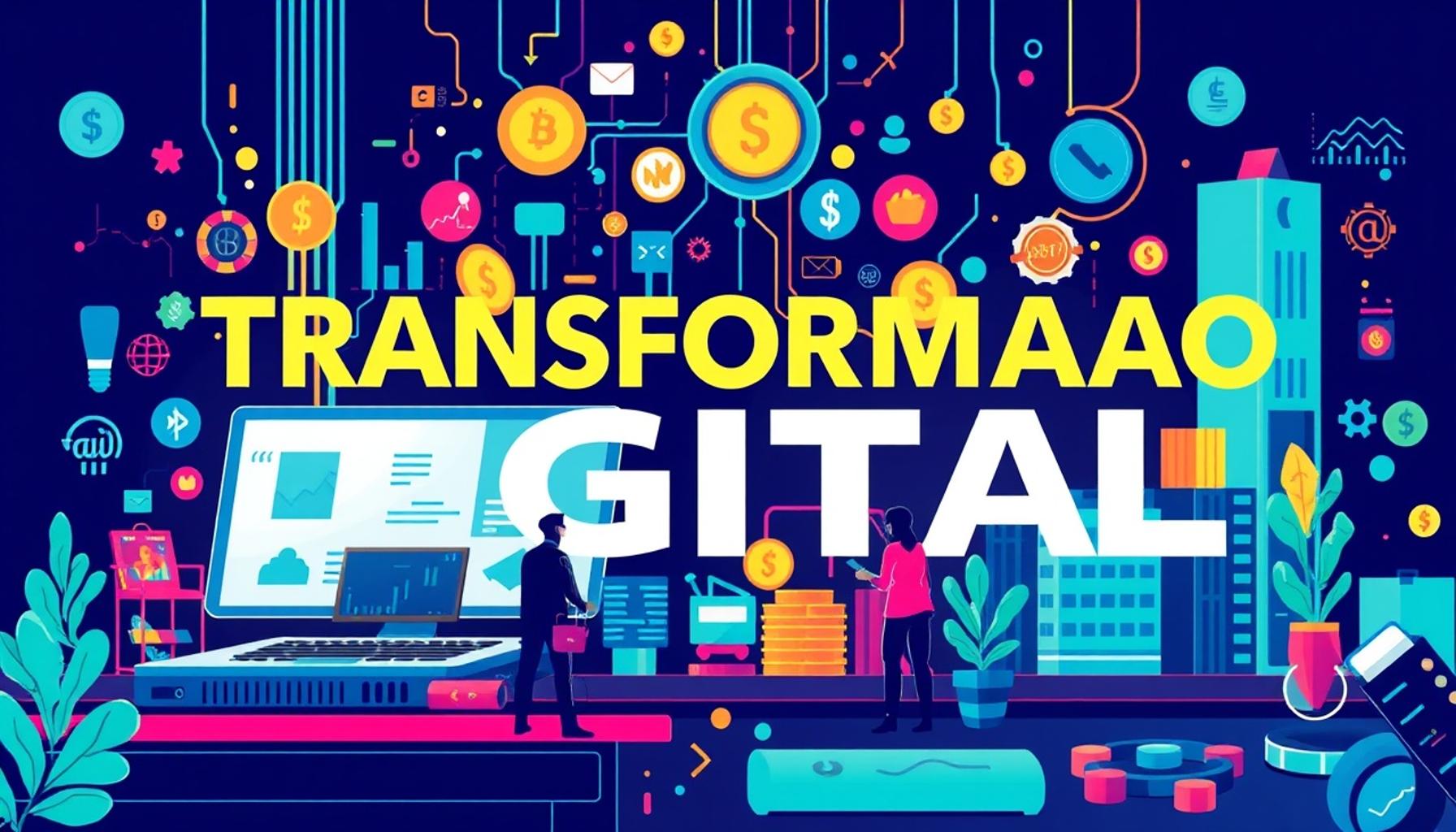
The Impact of Digital Technology on E-commerce
The advent of digital technology has ushered in a new era for businesses, particularly in the e-commerce sector. Today’s startups are harnessing cutting-edge innovations and strategies to revolutionize the way online shopping is conducted. These shifts are not just trends; they represent a fundamental change in shopping behaviors and expectations. Let’s explore some pivotal ways startups are altering the e-commerce landscape.
- Personalization: One of the most significant enhancements in the shopping experience is through personalization. Startups are increasingly using advanced data analytics and customer feedback to create tailored shopping experiences. For instance, a fashion startup might analyze a customer’s past purchases and browsing history to recommend items that match their style. This level of personalization not only enhances customer satisfaction but also increases conversion rates, making shoppers feel understood and valued.
- Direct-to-Consumer (DTC) Models: Another transformative approach is the adoption of Direct-to-Consumer models. By circumventing traditional retail channels, startups can deliver products straight to consumers. For example, brands like Warby Parker and Dollar Shave Club have successfully built their business models around this approach, allowing them to maintain better control over pricing, branding, and customer relationships. This model has empowered them to create loyalty and trust directly with their customers.
- Social Commerce: The rise of social media has given birth to the phenomenon of social commerce. Startups are making substantial use of platforms like Instagram and TikTok to not only market their products but also facilitate purchases. Features such as shoppable posts and integrated checkout processes enable consumers to make purchases without ever leaving the app. This seamless connection between discovery and purchase is particularly appealing to younger audiences who prioritize convenience.
The push towards digital not only enhances customer engagement but also introduces unique business models focused on convenience and accessibility. Emerging technologies, such as artificial intelligence and machine learning, provide startups with the tools they need to innovate rapidly. For instance, chatbots powered by AI can enhance customer service by providing instant responses to queries, creating a smoother shopping experience.
As more consumers embrace online shopping, understanding how startups are adapting and thriving in this evolving landscape is vital. The ability of these new entrants to reshape traditional e-commerce practices showcases their role as leaders in this transformative era, making it crucial for anyone interested in the future of retail to pay close attention to these trends.
DISCOVER MORE: Click here to learn about the impact of interest rates on credit accessibility
Innovative Strategies Shaping the Future of E-Commerce
Startups are at the forefront of redefining e-commerce by adopting innovative strategies that enhance the customer experience and streamline operations. As they leverage technology and new business models, these companies are not only capturing market share but also setting new standards for customer engagement. Let’s delve into some of the key strategies that are driving this digital transformation:
- Subscription Services: One of the most notable trends is the rise of subscription-based models. Startups across various sectors, from food delivery to personal care products, are capitalizing on the convenience that subscriptions provide. Companies like Blue Apron and Stitch Fix have successfully built their operations around this model, ensuring a steady revenue stream while delivering personalized experiences straight to consumers’ doorsteps. This approach encourages customer loyalty and simplifies the purchasing process.
- Augmented Reality (AR) Shopping: Startups are also harnessing augmented reality to enrich the online shopping experience. AR technology allows customers to visualize products in their own environment before making a purchase. For instance, furniture retailers like Wayfair have incorporated AR tools that enable users to see how a couch would look in their living room, dramatically reducing the guesswork associated with online shopping. This immersive experience not only boosts confidence in purchasing decisions but also decreases return rates.
- Influencer Collaborations: In a world where social media influencers hold significant sway over consumer behavior, many startups are partnering with influencers to amplify their reach. This strategy blends marketing with authenticity; when an influencer showcases a product, it often feels more relatable and genuine. Brands like Glossier thrive on influencer collaborations, drawing in large audiences through trusted voices. Startups are recognizing that these collaborations can lead to explosive growth and foster a sense of community among potential customers.
Aside from these innovations, startups are also dramatically improving logistical operations through advancements in technology. Automated fulfillment centers and sophisticated inventory management systems allow these companies to offer faster shipping options—a critical factor for modern consumers. By optimizing their supply chain processes, these startups are able to maintain competitive advantages in a crowded marketplace.
The agility and creativity of startups in the e-commerce sector highlight not only their willingness to challenge traditional norms but also their ability to adapt quickly to changing consumer preferences. Understanding these innovative strategies is essential for established businesses and new entrepreneurs alike who wish to remain relevant in the fast-paced world of online retail. As we continue to observe the evolution of e-commerce, it becomes clear that startups are not just participants in the field; they are pivotal in shaping its future.
DISCOVER MORE: Click here to learn how to apply
Embracing Customer-Centric Innovations
As startups continue to innovate in the e-commerce space, their focus on enhancing the customer experience is becoming more pronounced. By prioritizing customer feedback and leveraging data analytics, these companies are creating more engaging and user-friendly shopping environments that cater to the needs and preferences of modern consumers. Let’s explore some of the customer-centric innovations that are making waves in the industry:
- Personalization Through Data: One of the most effective strategies employed by startups is the use of data analytics to personalize the shopping experience. By analyzing user behavior and preferences, companies can curate product recommendations that resonate with individual customers. For example, Amazon has long used algorithms to suggest products based on past purchases and browsing history, but newer startups like ThredUp are also utilizing similar personalized features to enhance customer satisfaction. This tailored approach not only increases sales but also fosters a deeper connection between the brand and the consumer.
- Social Commerce: Integrating e-commerce with social media platforms is another innovative strategy being employed by startups. With platforms like Instagram and TikTok emerging as pivotal sales channels, businesses can now engage customers directly in their social feeds. Startups such as Pura Vida Bracelets exemplify this trend by using social media to share user-generated content that highlights their products. This approach not only drives traffic to their shopping pages but also leverages the authenticity and viral potential of social platforms, making consumers feel part of a larger community.
- Chatbots and AI Customer Service: Customer service has always played a critical role in e-commerce, and startups are harnessing the power of technology to provide instant support. AI-powered chatbots help answer customer queries in real time, guiding them through their shopping journey while reducing response times. For instance, companies like Sephora employ chatbots to assist users in finding products or offering beauty advice, which not only improves customer satisfaction but also enhances sales potential. By automating customer interactions, startups can provide 24/7 support while allowing human employees to focus on more complex inquiries.
In addition to these innovations, startups are exploring sustainable practices to appeal to the conscientious consumer. Eco-friendly packaging and sustainable sourcing are becoming critical components of brand identity. Companies like Allbirds have positioned themselves as environmentally friendly alternatives in the shoe industry by prioritizing sustainable materials and transparent production methods. This commitment to sustainability attracts consumers who value ethical practices and can significantly enhance customer loyalty.
Moreover, the rise of mobile shopping has transformed how consumers engage with e-commerce. Startups are creating mobile-responsive platforms that facilitate seamless transactions on smartphones. By ensuring an optimal mobile experience, businesses can reach a wider audience and cater to the growing trend of shopping on the go.
In summary, startups are not only embracing digital transformation through innovative customer-centric strategies but are also pushing the boundaries of what e-commerce can offer. Their commitment to personalization, sustainability, and mobile responsiveness is setting new industry standards, thereby shaping the future of online retail. Understanding and adopting these approaches can be invaluable for established businesses seeking to remain competitive in this rapidly evolving landscape.
DISCOVER MORE: Click here for a step-by-step guide
Conclusion
As we have explored throughout this article, startups are at the forefront of digital transformation in the e-commerce sector, effectively redefining how consumers interact with online retail. Their approach emphasizes a strong customer-centric philosophy, utilizing data analytics and personalized shopping experiences to forge deeper connections with consumers. By harnessing the power of social commerce and integrating seamlessly into platforms where customers already spend their time, these innovative companies are reshaping the e-commerce landscape.
Furthermore, the incorporation of AI-driven customer service solutions, such as chatbots, demonstrates a keen understanding of consumer needs for convenience and responsiveness. Startups are also addressing growing consumer demands for sustainability by prioritizing eco-friendly practices, appealing to environmentally conscious shoppers and enhancing their brand loyalty.
The mobility of e-commerce cannot be understated, as startups develop mobile-responsive platforms that enhance the shopping experience, allowing consumers to shop effortlessly from anywhere. This adaptability to changing trends positions startups advantageously in a competitive market, where consumer preferences continue to evolve.
In conclusion, the strategies adopted by these startups not only pose a challenge to established businesses but also serve as a blueprint for innovation within the e-commerce realm. As we look ahead, it is crucial for both new and existing companies to recognize and adapt to these transformative trends, ensuring they remain relevant and competitive in a fast-changing digital marketplace.

Linda Carter
Linda Carter is a writer and expert known for producing clear, engaging, and easy-to-understand content. With solid experience guiding people in achieving their goals, she shares valuable insights and practical guidance. Her mission is to support readers in making informed choices and achieving significant progress.