
The Role of Technology in Risk Management: Analysis of Tools and Trends
Understanding the Role of Technology in Risk Management
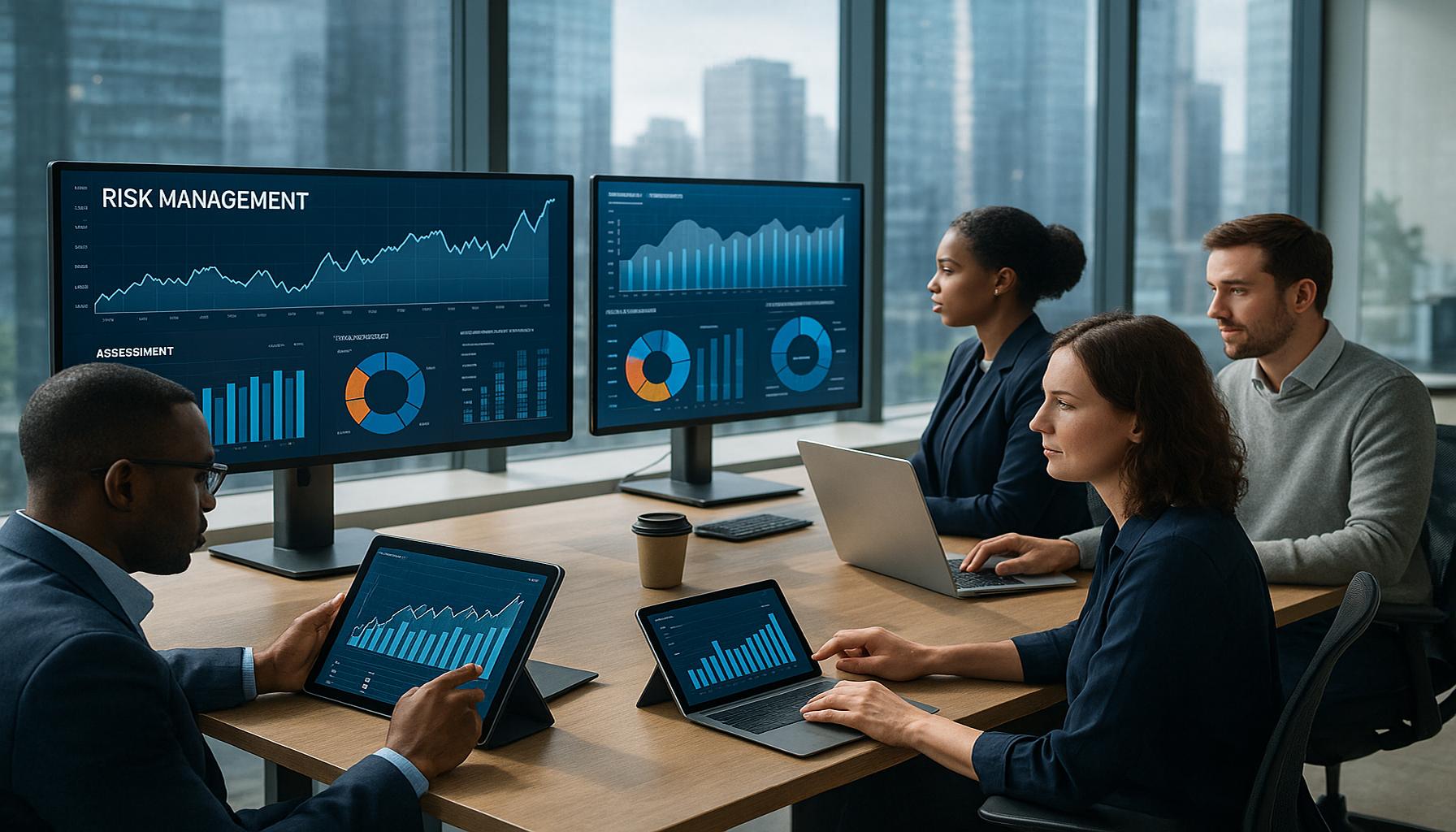
In the contemporary business landscape, the importance of integrating technology into risk management cannot be overstated. As companies navigate the complexities of the digital age, they encounter unprecedented risks, ranging from cybersecurity threats to regulatory changes. The integration of advanced technologies not only helps businesses anticipate potential risks, but it also empowers them to respond effectively to challenges that may jeopardise their operations and overall success.
Among the innovative tools reshaping risk management, several stand out for their transformative potential:
- Big Data Analytics: In an era defined by information overload, big data analytics plays a crucial role in identifying risk patterns and trends within vast, complex datasets. For instance, financial institutions can analyse customer transaction data to detect unusual behaviour, which may indicate fraudulent activity. By employing sophisticated algorithms, these organisations can react in real-time, mitigating the threat before it escalates.
- Artificial Intelligence: The power of artificial intelligence (AI) lies in its ability to automate risk assessments and generate predictive insights. AI algorithms can sift through historical data to forecast future risks, allowing companies to pre-emptively adjust their strategies. For example, insurance companies use AI-driven models to evaluate policyholder risks more accurately, ensuring they set appropriate coverage terms and premiums.
- Blockchain: Known for its association with cryptocurrencies, blockchain technology also offers significant benefits in enhancing transparency and traceability. In supply chain management, for example, companies can use blockchain to document every step of a product’s journey. This not only reduces the risk of fraud but also allows for quick identification of potential issues, such as counterfeit goods entering the supply chain.
- Cloud Computing: The advent of cloud computing has revolutionised risk management by providing organisations with scalable solutions. Companies can host risk management applications in the cloud, ensuring that data is accessible and secure from anywhere. This flexibility allows businesses to respond swiftly to changes in risk landscapes, as they can modify their risk management strategies without the hindrance of physical infrastructure limitations.
These technological advancements not only enhance operational efficiency but also create a robust framework that allows decision-makers to stay ahead of potential threats. By embracing these technological innovations, companies can navigate the uncertainties of today’s dynamic environment with greater confidence and resilience.
In the following sections, we will delve deeper into these tools and explore important trends shaping the risk management industry. Through practical examples, we aim to illuminate how various sectors can implement these technologies to strengthen their risk mitigation strategies and safeguard their interests in an increasingly unpredictable world.
LEARN MORE: Click here for a step-by-step guide
Innovative Technologies Transforming Risk Management
The integration of technology into risk management is not merely an enhancement; it represents a fundamental shift in how organisations approach risk itself. As businesses face an increasingly interconnected and volatile global landscape, the adoption of innovative technological tools allows for a more proactive and nuanced approach to identifying and mitigating potential threats. Below, we will explore key technologies that are making a significant impact and how they translate into practical applications for various industries.
Big Data Analytics: Uncovering Hidden Insights
Big data analytics represents a powerful asset for organisations striving to manage risk more effectively. By harnessing large volumes of data from diverse sources, companies can identify patterns and correlations that might otherwise remain obscured. For example, retailers can analyse consumer behaviour to forecast demand fluctuations, which helps in managing inventory risks. Additionally, financial institutions can conduct real-time transaction monitoring to spot anomalies that may indicate fraudulent activities, allowing them to take immediate corrective measures.
Artificial Intelligence: Predicting Future Challenges
Artificial intelligence offers a sophisticated approach to risk assessment through automation and predictive analytics. AI can evaluate vast datasets to generate insights that inform strategic decisions. For instance, in the field of healthcare, AI algorithms can process patient data to predict potential health risks, aiding hospitals in resource allocation and improving patient safety. In finance, AI applications enhance credit scoring models to better assess loan risks, ensuring lenders make informed decisions about borrowings.
Blockchain: Enhancing Trust and Transparency
Utilising blockchain technology can lead to increased transparency in transactions and operations, which significantly mitigates various types of risk. In industries such as logistics and supply chain, blockchain allows companies to trace the provenance of goods accurately. By documenting each step of a product’s journey in an immutable ledger, businesses can swiftly address irregularities, such as the introduction of counterfeit products. A practical example was seen during the COVID-19 pandemic when several pharmaceutical companies used blockchain to manage the distribution of vaccines, ensuring authenticity and reducing fraud.
Cloud Computing: Flexibility in Risk Management Solutions
The rise of cloud computing offers businesses a flexible platform for risk management applications. Cloud-based solutions provide scalability and accessibility, enabling organisations to adapt to evolving risk scenarios without the constraints of traditional IT infrastructure. For example, during the transition to remote work, many firms leveraged cloud technology to ensure seamless access to critical risk management tools and data, enabling continuous operations despite physical limitations. This adaptability is essential for organisations looking to maintain resilience amid unforeseen challenges.
As we delve further into these technologies, it becomes evident that employing them in risk management is not just about adopting new tools; it’s about redefining how organisations perceive and respond to risk. The true value lies in the capacity to harness these technologies cohesively, allowing businesses to cultivate a culture of proactive risk management. In the subsequent sections, we will explore specific trends within these technologies that are shaping the future of risk management practices, offering tangible insights for organisations looking to thrive in a complex environment.
DISCOVER MORE: Click here to learn how to apply
Emerging Trends in Risk Management Technology
As we venture further into the 21st century, the landscape of risk management continues to evolve rapidly, driven by technological advancements. Several emerging trends are reshaping the way organisations manage risks, enabling them to stay ahead of potential threats while maximising opportunities. Below, we will discuss these trends and their implications for various sectors.
Internet of Things (IoT): Real-Time Risk Monitoring
The Internet of Things (IoT) has transformed risk management by introducing real-time data collection from interconnected devices. This technology enables businesses to monitor risks as they develop, leading to faster and more informed decision-making. For instance, in the manufacturing sector, IoT sensors can detect equipment failures before they lead to severe downtimes or accidents, thereby reducing operational risks. Moreover, in the agriculture industry, IoT devices can monitor environmental conditions, helping farmers mitigate risks associated with climate change or pest infestations by alerting them to changes that may impact crop yield.
Cybersecurity Technology: Defending Against Digital Threats
As cyber threats become increasingly sophisticated, cybersecurity technology plays a crucial role in the risk management landscape. Implementing advanced security measures like artificial intelligence-driven intrusion detection systems allows organisations to identify and respond to cyber threats more effectively. For example, financial institutions in the UK are investing in machine learning algorithms to detect suspicious transaction patterns, helping to safeguard customer data and protect against financial fraud. As threats continue to evolve, organisations must stay ahead by continuously upgrading their cybersecurity measures to defend against potential damage.
Regulatory Technology (RegTech): Streamlining Compliance
Regulatory technology (RegTech) has emerged as a vital component of risk management, particularly in heavily regulated industries such as finance and healthcare. RegTech solutions utilise technology to streamline compliance processes, ensuring that organisations can efficiently meet their regulatory obligations while minimising the risk of potential penalties. For example, financial firms are deploying automated compliance tools that monitor transactions for adherence to laws and regulations, saving time and reducing human error. This not only lowers compliance risks but also enhances overall operational efficiency.
Risk Management Software: Centralising Functions
The growing adoption of risk management software has simplified the complexities of risk identification and assessment. These platforms provide organisations with a centralised hub for managing risks, enabling more cohesive and collaborative approaches. Businesses can track risk metrics, perform scenario analyses, and develop risk-response strategies all in one place. For instance, insurance companies in the UK are increasingly using such software to model financial risks associated with underwriting policies, helping them make more sound decisions based on reliable data.
The significance of these technological trends cannot be understated, as they collectively enhance an organisation’s ability to anticipate and manage risks efficiently. Embracing these advancements allows businesses to establish a robust risk management framework that not only safeguards assets but also encourages innovation and growth. As we navigate further into this era of digital transformation, it becomes essential for organisations to recognise and leverage these technologies to maintain a competitive edge and enhance their resilience against potential challenges.
DISCOVER MORE: Click here to start building your wealth
Conclusion
In conclusion, the integration of technology into risk management has been transformative, providing organisations with innovative tools to navigate the complexities of modern risks. The rise of the Internet of Things (IoT) enables real-time monitoring, empowering businesses to respond swiftly to emerging threats. Similarly, advancements in cybersecurity technologies are crucial for safeguarding against an increasingly sophisticated digital landscape. As organisations face the challenges of regulatory compliance, RegTech solutions streamline processes, making it easier than ever to meet their obligations efficiently.
Moreover, the adoption of risk management software offers a centralised approach, enhancing collaboration and data-driven decision-making. These technologies not only mitigate risks but also promote a culture of resilience and innovation, allowing organisations to thrive amidst uncertainty. As businesses in the UK and beyond continue to embrace these advancements, it is imperative for them to stay informed of the latest tools and trends to maintain a competitive edge.
Looking ahead, organisations should not only focus on technology for risk management but also consider the importance of a human element—training staff to understand and utilise these tools effectively. The synergy between technology and human insight will be the key to robust risk management in the future. By doing so, organisations can build a dynamic response system that not only protects against potential threats but also leverages opportunities for growth and success.

Linda Carter
Linda Carter is a writer and financial expert specializing in personal finance and financial planning. With extensive experience helping individuals achieve financial stability and make informed decisions, Linda shares her knowledge on the our platform. Her goal is to empower readers with practical advice and strategies for financial success.