How to Use Credit Cards to Build a Good Credit History
Understanding the Importance of Responsible Credit Card Use
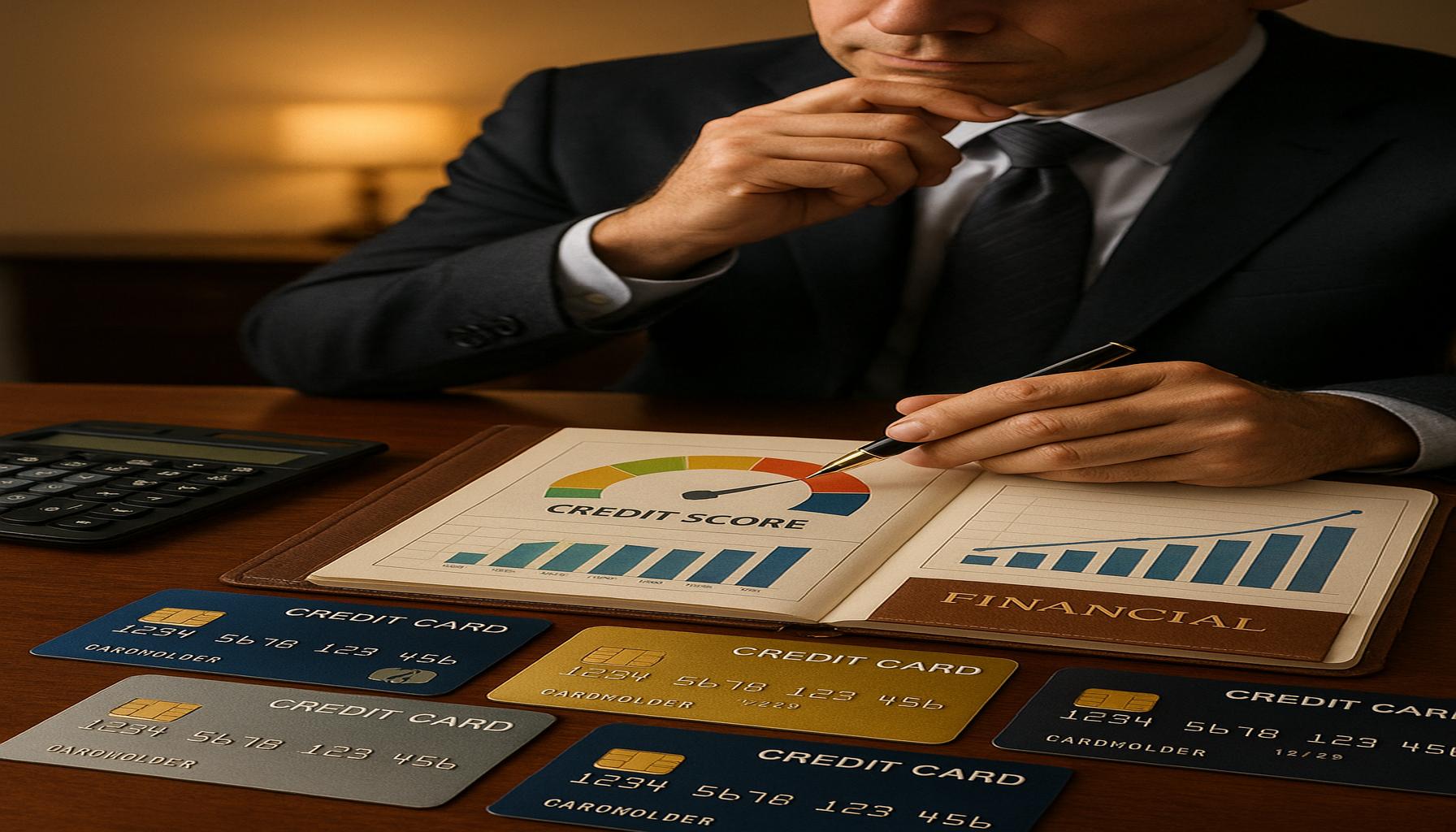
Credit cards, when used judiciously, can be a significant asset in building a strong credit history. A well-maintained credit history is crucial for essential financial milestones such as securing a mortgage, renting a property, or obtaining a mobile phone contract. Therefore, knowing how to manage credit cards responsibly is vital for your financial health.
Key Strategies for Effective Credit Card Use
- Timely Payments: Always prioritise making your payments on time. Late payments can negatively impact your credit score and may remain on your credit report for up to six years. For example, if your minimum payment is £50, set up a direct debit to ensure it’s paid automatically, thus avoiding any missed payments.
- Credit Utilisation: It is recommended to maintain your credit utilisation below 30% of your total credit limit. If you have a card with a limit of £1,000, try to avoid carrying a balance exceeding £300. This practice shows lenders that you are not overly reliant on credit, which contributes positively to your credit score.
- Regular Use: Use your credit card for regular, manageable purchases such as groceries, fuel, or subscriptions. This not only helps you build your credit history but also allows you to benefit from rewards or cashback offered by many credit cards. Just remember to pay off the full balance each month to avoid interest charges.
Factors Influencing Your Credit Score
Your credit score is influenced by several important factors:
- Payment History: A solid history of timely payments demonstrates to lenders that you are a dependable borrower. This can often be the most critical factor in determining your credit score.
- Length of Credit History: The longer your accounts have been active, the better it generally is for your credit score. For instance, maintaining an old and low-utilised credit card can help boost your score, even if you don’t use it frequently.
- Types of Credit: Having a variety of credit accounts like credit cards, personal loans, and even an overdraft can positively affect your credit score. Lenders prefer borrowers who can manage different types of credit responsibly.
Conclusion
Building good credit with a credit card is a combination of strategic spending and strict discipline. It’s essential to remain informed about how credit works and make financial decisions that support your long-term goals. By practising responsible credit card usage and understanding the intricacies behind credit scoring, you can create a robust financial future that unlocks opportunities for housing, loans, and more.
DIVE DEEPER: Click here to learn more about entrepreneurship and innovation
Maximising Your Credit Card’s Potential
To build a good credit history using credit cards, it’s crucial to adopt effective strategies that work for your particular financial situation. Understanding these principles will empower you to use credit cards not just as a payment method, but as a valuable tool in your financial toolkit. Here are some essential tips to consider:
Creating a Budget for Credit Card Spending
Before you even think about swiping your credit card, it’s vital to create a budget. This budget should reflect your monthly income, essential expenses, and any potential discretionary spending. The aim is to ensure that you only charge what you can afford to pay back when the bill comes due. By doing so, you not only maintain your financial health but also demonstrate to lenders that you can manage your debt effectively.
To further streamline this process, consider implementing the following practices:
- Track Your Spending: Use budgeting apps or spreadsheets to monitor your expenses. By tracking your spending, you can quickly identify areas where you can cut back and ensure that your credit card use remains within your budget.
- Set Realistic Limits: Decide on a specific amount that you are comfortable using on your credit card each month. This limit should be well within your ability to pay off, allowing you to avoid unnecessary debt and interest charges.
- Review Statements Regularly: Make it a habit to review your credit card statements every month. Not only does this help you stay informed about your spending, but it also allows you to spot any errors or fraudulent transactions promptly.
Understanding the Impact of Multiple Credit Cards
Many individuals wonder whether having multiple credit cards can be beneficial or detrimental to their credit history. In general, having more than one card can positively influence your credit score, provided it is managed wisely. Here are some points to consider:
- Diversification of Credit: As mentioned earlier, a mixed portfolio of credit types is favourable. Having multiple cards can help improve your credit score as long as you keep your spending in check and stay on top of your payments.
- Increased Credit Limit: Multiple credit cards can lead to a higher overall credit limit. This can help lower your credit utilisation ratio, an important factor in credit scoring models, as long as you don’t increase your spending proportionately.
- Opportunities for Rewards: Different credit cards often come with varying rewards and cashback options. Using multiple cards strategically can help you maximise the benefits, such as getting cashback on groceries, fuel, or travel expenses.
Ultimately, whether you choose to open additional credit cards or stick to one, the key is to maintain a vigilant approach towards managing them. Responsible usage and payment habits will not only improve your credit score but also lay a solid foundation for future financial opportunities.
DISCOVER MORE: Click here to learn about financial education
Maintaining a Strong Payment History
One of the most crucial factors in building a good credit history is your payment history. Lenders pay close attention to whether you make payments on time, as this significantly impacts your credit score. Developing a strong payment history shouldn’t be daunting; it’s about consistency and planning. Here are some effective strategies to ensure you stay on track:
Automate Your Payments
A practical way to ensure you never miss a payment is to automate your credit card payments. Most banks allow you to set up automatic payments that deduct the minimum payment amount directly from your bank account on the due date. Here’s why automation can be beneficial:
- Timeliness: This eliminates the risk of forgetting due dates, which can result in late fees and a negative impact on your credit score.
- Flexibility: You can usually adjust your payment settings to pay more than the minimum amount if you’re in a position to do so, further enhancing your credit standing.
However, it is essential to ensure that you have sufficient funds in your bank account to avoid overdrafts, which could lead to additional charges.
Pay More Than the Minimum
While making the minimum payment is better than missing a payment, consistently doing so is not the most effective strategy for improving your credit history. Paying more than the minimum balance each month can yield significant benefits. Here’s how:
- Reduced Interest Costs: Credit cards often have high-interest rates, and only paying the minimum means you may extend your debt period and incur more interest. By paying more, you actively reduce your balance and the interest that accrues over time.
- Improved Credit Utilisation Ratio: Keeping your balances low in relation to your credit limit will positively affect your credit score. Aim to keep your utilisation below 30%. Paying down your balance more regularly can help achieve this goal.
Timing Your Payments
Another smart approach that many people overlook is the timing of their credit card payments. If you are expecting a larger expenditure or there is a billing increase on a particular month, consider making multiple payments throughout the month. This reduces the balance that is reported to credit bureaus. Here are a couple of points to keep in mind:
- Frequent Payments: Making several smaller payments throughout the month rather than one lump-sum payment can keep your overall balance lower and reduce your credit utilisation ratio at reporting time.
- Stay Ahead of Billing Cycles: Knowing your billing cycle can be advantageous. If you plan to make significant purchases, you can make payments before your statement closes, ensuring lower reporting balances.
Regularly Monitor Your Credit Report
Keeping an eye on your credit report is essential in understanding your credit history and identifying areas for improvement. In the UK, you’re entitled to a free credit report from various service providers. Here’s why you should check your credit report regularly:
- Identify Errors: Mistakes can happen, and they can impact your credit score. If you find any anomalies, you have the right to dispute and rectify them.
- Track Your Progress: Regular review allows you to monitor the positive impact of your credit card usage over time, demonstrating your commitment to building a solid credit history.
By implementing these strategies, you create a robust framework that can transform your credit card into a powerful ally in your financial journey, effectively establishing and enhancing your credit history.
LEARN MORE: Click here for details on applying for the Santander Everyday card
Conclusion
Building a good credit history with your credit card is a journey that requires continual effort and smart management. By understanding the importance of your payment history, you can take actionable steps to ensure timely payments, thus avoiding late fees and negative impacts on your credit score. Implementing strategies such as automating payments can help you stay organized and consistent, while paying more than the minimum each month allows you to reduce debt and improve your credit utilisation ratio.
Additionally, timing your payments wisely can further bolster your credit health and keep your reported balances low. Remember, knowledge is power; regularly monitoring your credit report enables you to spot any errors and track your progress toward improving your credit standing. With these practices in place, you can transform your credit card into more than just a payment tool; it can become an essential part of your financial toolkit.
Ultimately, building a good credit history is not just about numbers; it reflects your financial responsibility and trustworthiness as a borrower. By taking the time to educate yourself and follow these guidelines, you are setting yourself up for greater financial opportunities in the future, such as lower interest rates on loans and easier approvals for credit. Embrace the journey and enjoy the benefits that come with a solid credit history.

Linda Carter
Linda Carter is a writer and financial expert specializing in personal finance and financial planning. With extensive experience helping individuals achieve financial stability and make informed decisions, Linda shares her knowledge on the our platform. Her goal is to empower readers with practical advice and strategies for financial success.