
Impact of Fake News on Social Media and its Consequences for Democracy
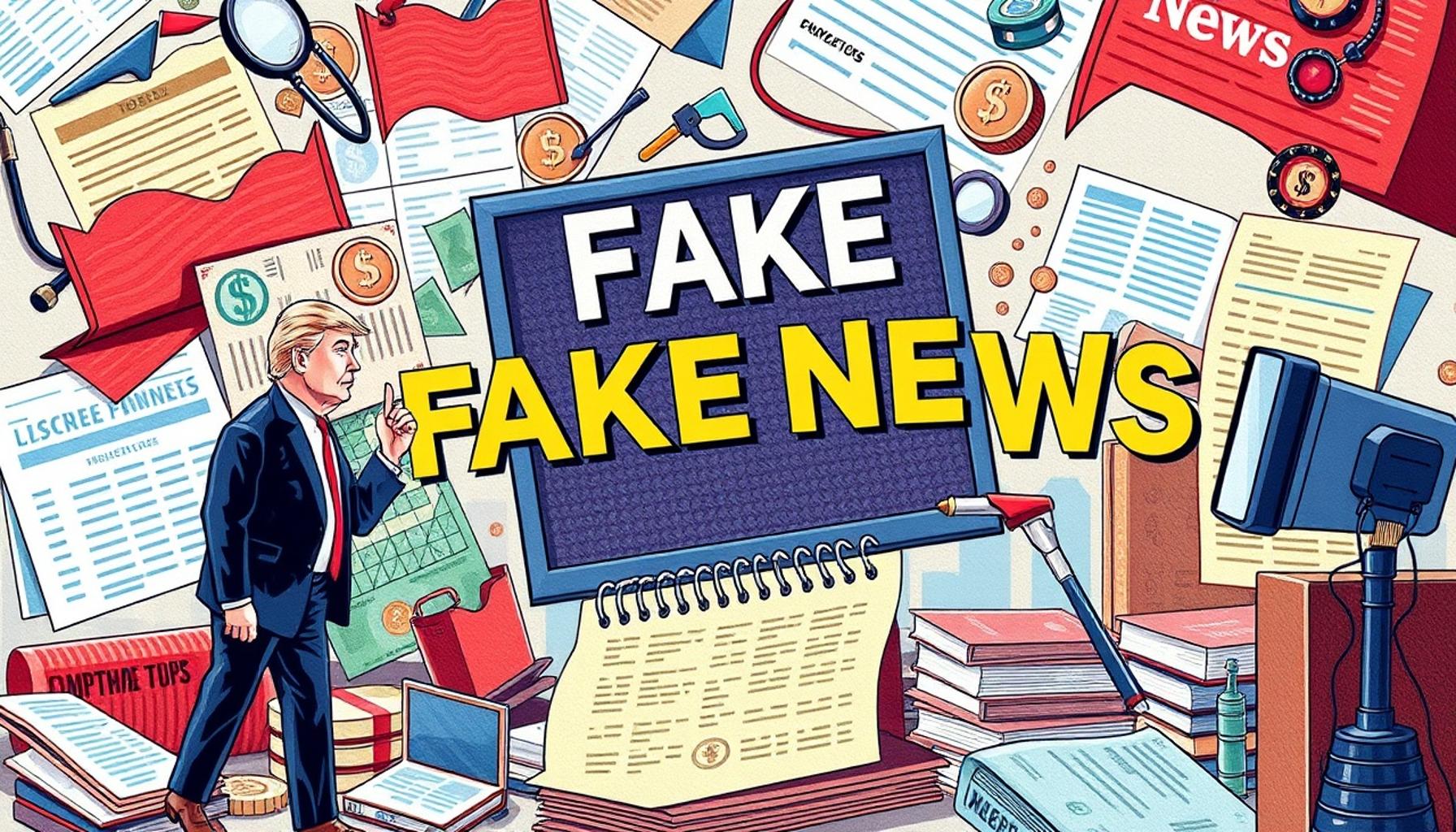
The Ramifications of Fake News on Society
In recent years, the phenomenon of fake news has escalated dramatically, especially with the increasing accessibility of social media platforms. The ease of sharing information online means that a misleading post can reach thousands, or even millions, within minutes, often outpacing the truth. As a result, it becomes critical to understand how fake news not only misleads individuals but also poses a broader threat to democratic processes and societal cohesion.
Forms of Fake News
Understanding the different types of fake news is vital for recognizing its impact. Here are some common forms:
- Misleading headlines: These are often sensationalized titles that twist the facts of an article, enticing readers without providing accurate information. For instance, a headline might exaggerate a politician’s comment, leading readers to take it out of context.
- Completely fabricated stories: Some articles are entirely made up, designed with the sole purpose of deceiving the public. For example, a satirical piece about a political figure might be shared as fact, thus influencing public opinion based on false premises.
- False social media posts: Many individuals share unverified articles or posts, further perpetuating misinformation. A well-known instance occurred during the 2016 presidential election when numerous false stories about candidates circulated widely on platforms like Facebook and Twitter.
Profound Impacts
The ramifications of fake news extend beyond individual deception; they significantly affect our democratic process. Here are a few ways that fake news can create division and hinder discourse:
- Influencing voter behavior: Misinformed voters can make choices based on inaccurate information. For example, if a false narrative suggests that a particular candidate has a scandalous background, it may unjustly sway voters against them, stifling their fair chance at election.
- Polarizing communities: Fake news often plays into people’s biases, causing them to congregate with like-minded individuals and further entrenching divisions within society. This can lead to communities becoming echo chambers, where dissenting voices are silenced.
- Endangering factual discourse: Healthy debate relies on grounding discussions in verified facts. The spread of fake news can lead participants to argue based on fiction rather than reality, undermining constructive conversation around vital societal issues.
In light of these challenges, it becomes essential for individuals to cultivate critical thinking skills and verify information before sharing it. By understanding the mechanics of fake news and its effects on public perception and democracy, citizens can engage more responsibly in discourse, creating a healthier democratic process for all. Embracing media literacy is not just an individual responsibility but a collective one that strengthens the fabric of our society.
LEARN MORE: Click here to discover effective strategies
The Dangerous Spread of Misinformation
As social media becomes an increasingly vital source of news and information, the spread of fake news has become a pressing issue with far-reaching consequences. The intertwining of social media and news dissemination has created an environment where misinformation can thrive, leading to a decline in public trust and informed decision-making. To grasp the significance of this phenomenon, we must first recognize how fake news proliferates within the digital landscape.
The Mechanisms of Fake News Dissemination
Several factors contribute to the rapid spread of fake news across social media platforms. Understanding these mechanisms can help illuminate the path from misinformation to societal impact:
- Virality of emotional content: Research shows that content that invokes strong emotions—whether anger, fear, or joy—is more likely to be shared. News that plays on these emotions, even if misleading or false, can quickly gain traction. For instance, a sensational story about a crime might induce outrage and prompt users to share it without verifying its accuracy.
- Algorithms favoring engagement: Social media platforms rely on algorithms that prioritize content likely to generate user engagement. This often leads to fake news being promoted over more accurate reports because sensationalist headlines attract more clicks and shares. As a result, users are frequently exposed to misleading information that conforms to their existing beliefs.
- Echo chambers: Users tend to follow individuals and pages that share their viewpoints, creating isolated groups where only similar opinions are echoed. Within these echo chambers, fake news is rarely challenged or fact-checked, leading individuals to adopt and disseminate false narratives as truth.
The implications of these factors can be profound. Misinformation influences public perception and can destabilize democratic institutions. Voters, armed with skewed or incorrect information, may make choices that do not reflect their interests or values. Furthermore, when political discourse is predominated by fake news, it hampers the ability for citizens to engage in meaningful discussions about issues that affect their lives.
Consequences for Democratic Engagement
The impact of fake news goes beyond personal beliefs; it threatens the very foundation of democracy. Here are a few key consequences:
- Diminished trust in media: As fake news proliferates, public trust in legitimate news sources erodes. When citizens are unable to differentiate between credible journalism and fabricated tales, they may become disillusioned with the media overall, leading to apathy and disengagement from critical political issues.
- Suppression of legitimate discourse: The spread of misinformation can drown out sensible conversations, making it difficult for citizens to engage in informed debates on policies and candidates. When false information prevails, it can suppress vital discussions necessary for a functioning democracy.
- Manipulation by malicious actors: Foreign and domestic entities often exploit fake news to manipulate public opinion. During critical events such as elections, these actors can sow discord and confusion, undermining the electoral process and the overall health of democracy.
As we navigate through this complex technological landscape, it’s crucial that we equip ourselves with the tools to discern fact from fiction. Enhancing media literacy among citizens not only empowers individuals to make informed choices but also fosters a more resilient democratic society.
DISCOVER MORE: Click here to learn how to navigate regulatory challenges
Strategies to Combat Fake News
While the impacts of fake news on social media and democracy are significant, it is essential to explore how we can combat this growing issue. Various strategies can be implemented both at the individual and institutional levels to mitigate the spread of misinformation, thereby protecting the very fabric of democratic societies.
Promoting Media Literacy
One of the most effective methods for curbing the influence of fake news is to enhance media literacy among the populace. This involves educating citizens on how to critically assess information sources, recognize biases, and differentiate factual reporting from sensationalism or outright falsehoods. For instance, educational programs in schools can include lessons on verifying sources, understanding the basics of journalism, and identifying the common tactics used by purveyors of misinformation.
Additionally, social media platforms can play a proactive role by providing users with resources that help improve their media consumption skills. These resources may include online courses or infographics that highlight steps to take when encountering suspicious information. By equipping individuals with the knowledge to scrutinize their news sources, we can empower them to make informed choices and minimize the circulation of fake news.
Fact-Checking Initiatives
Fact-checking organizations have emerged as a critical resource in the fight against fake news. These independent bodies verify claims made in the media and online, providing comprehensive analyses based on evidence. For example, platforms like Snopes and FactCheck.org have gained popularity for their dedication to debunking myths and assessing the credibility of viral stories.
Social media companies can collaborate with fact-checkers to flag potentially misleading content and provide users with additional context. This hybrid approach creates a safety net where falsehoods can be promptly challenged, thereby reducing their reach. Users, upon encountering flagged posts, are encouraged to seek out accurate information before sharing or reposting, leading to a more informed user base.
Policy and Regulation
Governments also hold a vital responsibility in addressing the issue of fake news through policy and regulation. Legislative measures can be implemented to hold social media companies accountable for the spread of misinformation on their platforms. For instance, regulations requiring transparency in political advertising and stricter penalties for the dissemination of false information can deter malicious actors from exploiting platforms for their agendas.
Moreover, developing public campaigns aimed at raising awareness about fake news can empower citizens to challenge and report misleading content. Such campaigns can take various forms, including public service announcements or collaborations between governmental agencies and non-profits that focus on civic engagement.
Encouraging Responsible Sharing
Ultimately, a culture of responsibility is crucial in combating fake news on social media. Users need to recognize that their online behavior contributes to the overall information environment. Encouraging individuals to pause before sharing content—asking questions like “Is this credible?” or “What is the source of this information?”—can go a long way in curbing the spread of misinformation.
Additionally, social media platforms can implement features that prompt users to reflect on the content before they share it, perhaps through reminders about the importance of verifying information. Such initiatives promote a more thoughtful and accurate sharing culture, fostering an online community that prioritizes truth over sensationalism.
LEARN MORE: Click here for a step-by-step guide
Conclusion
In an age where information is consumed at lightning speed, the impact of fake news on social media has become a formidable challenge for democratic societies. As we’ve explored, the spread of misinformation not only sways public opinion but also erodes trust in institutions, polarizes communities, and ultimately undermines the democratic process. Recognizing that fake news poses a threat to our political landscape is the first step in addressing this issue.
Combating the spread of false information requires a multifaceted approach. By promoting media literacy, we empower individuals to critically evaluate the content they encounter online. Engaging with fact-checking initiatives can help confirm the validity of information before it proliferates. Moreover, forging a partnership between social media platforms and regulatory bodies can bring about lasting change, ensuring accountability in content sharing. Finally, encouraging a culture of responsible sharing allows users to play an active role in maintaining an accurate information ecosystem.
As we navigate through this complex landscape, it is essential to foster an informed citizenry that values truth over speculation. By collectively embracing these strategies, we can reinforce the foundations of democracy, ensuring that our public discourse remains robust and reflective of genuine human values. The fight against fake news is not just the responsibility of a select few; it is a communal effort that requires vigilance, integrity, and a commitment to the principles that uphold a democratic society.

Linda Carter
Linda Carter is a writer and expert known for producing clear, engaging, and easy-to-understand content. With solid experience guiding people in achieving their goals, she shares valuable insights and practical guidance. Her mission is to support readers in making informed choices and achieving significant progress.