How to Create an Effective Personal Budget: Practical Tips for Beginners
Understanding the Importance of a Budget
Creating a personal budget is an essential skill that everyone should master. It allows you to take control of your finances, ensuring you can save for future goals and manage your spending effectively. A well-structured budget not only helps you to allocate your resources wisely but also provides peace of mind by clearly outlining your financial situation.
To begin building your budget, consider the following crucial steps:
- Track Your Income: Start by determining how much money you have coming in each month. This includes your salary after tax, any additional freelance earnings, or benefits such as child allowance. For example, if you earn £2,500 from your job and receive £200 in benefits, your total monthly income is £2,700.
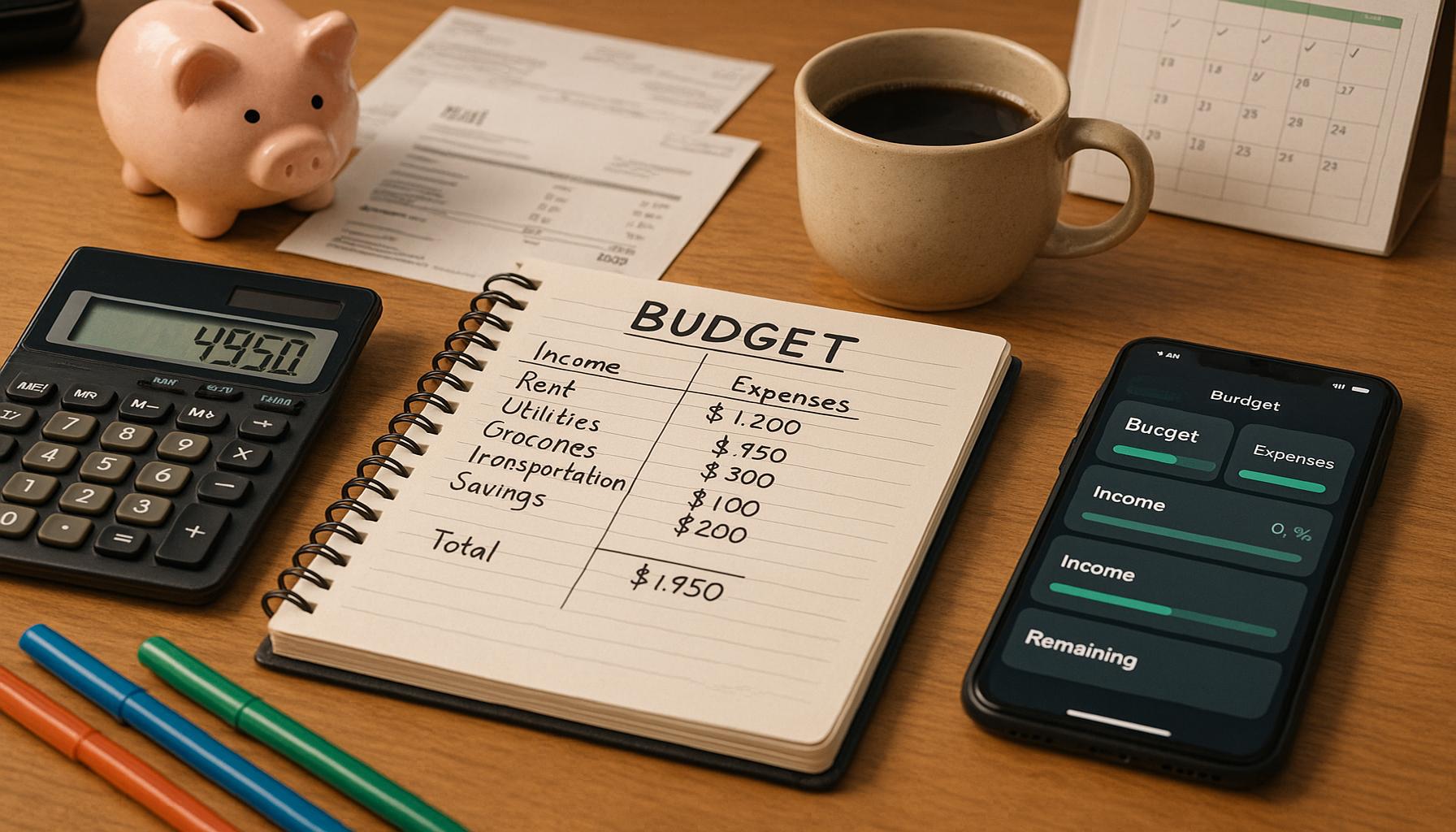
- Identify Your Expenses: Next, make a comprehensive list of all your monthly expenses. This should include fixed costs like rent or mortgage payments, utility bills, and council tax, as well as variable costs like groceries, transport, and entertainment. For instance, if you pay £800 in rent, £150 in utilities, and spend £200 on groceries, your total fixed and variable expenses will begin to take shape.
- Set Financial Goals: Consider what you’re saving for, whether it’s a family holiday, a new car, or emergency funds. Having clear goals motivates you to stick to your budget. For example, if you want to save £1,000 over the next year for a holiday, plan to set aside approximately £84 each month.
Understanding your financial situation is crucial. By knowing exactly where your money goes, you can make informed decisions about how to save more effectively and avoid unnecessary debt. If your expenses exceed your income, for example, you might need to adjust your spending habits or find ways to increase your income, such as taking on part-time work or selling items you no longer need.
In addition to the steps mentioned, keeping your budget flexible is key. Life can be unpredictable, and allowing for adjustments can help maintain your financial health. For instance, if you have an unexpected car repair, you may need to temporarily reduce discretionary spending in that month to avoid going into the red.
This article will delve into practical tips for beginners, ensuring that you not only create a budget but also stick to it over time. Let’s embark on this journey towards financial peace of mind and a more secure future.
DISCOVER MORE: Click here to learn about applying for the Santander Everyday credit card</
Establishing the Foundation of Your Budget
Creating an effective personal budget requires diligent groundwork, as it provides the necessary structure to manage your finances effectively. Once you’ve tracked your income and identified your expenses, it’s time to think about how to balance these elements. A well-calibrated budget not only reflects your current financial standing but also helps you prepare for the future.
Choose a Budgeting Method
There are several budgeting methods to consider. Choosing one that resonates with your personal financial habits will make it easier to maintain. Here are some popular methods:
- The 50/30/20 Rule: This is a simple guideline to allocate your income. Spend 50% on needs (such as rent, bills, and food), 30% on wants (like dining out and entertainment), and 20% on savings and debt repayment. This approach creates a balanced framework that is easy to follow.
- Envelope System: This traditional method involves physically setting aside cash in envelopes designated for different categories of spending, such as groceries, gas, and entertainment. When the cash in the envelope is gone, you can’t spend any more in that category, which encourages restraint.
- Zero-Based Budgeting: This method requires you to allocate every pound of your income, making your expenses equal your income. By doing this, you’ll need to justify each expenditure, which often leads to a more mindful approach to spending.
Select a method that feels right for you and aligns with your financial goals. You may need to try different approaches before finding the one that works best. Remember, the goal is to create a budgeting system that is not only effective but also sustainable in the long term.
Make it Realistic
When creating your budget, it’s essential to keep it realistic and achievable. Setting overly ambitious goals can lead to frustration and confusion, resulting in a lack of adherence to your budget. For instance, if you typically spend £200 a month on dining out, setting a budget of £50 might not be practical and could make you feel deprived. Instead, aim for a more manageable reduction, such as aiming to spend £150 initially, allowing you to gradually adjust your spending habits.
Additionally, be sure to account for irregular expenses that may not occur monthly but should still be part of your budgeting process. Consider things like annual subscriptions, car insurance renewals, or holiday expenses. Saving a small amount each month towards these expenses can prevent any financial strain when they arise.
Review and Adjust Regularly
Lastly, regularly reviewing your budget is crucial for its effectiveness. Set a schedule to assess your progress—whether it’s monthly or quarterly—so you can understand what’s working and what needs adjustment. It may also be beneficial to keep a journal or use budgeting apps to track your spending patterns, which can unveil potential areas for improvement.
Budgeting isn’t a one-time task; it’s a dynamic process that requires your attention and adaptability. By committing to these practices, you’ll foster a more productive relationship with your finances, empowering you to achieve your financial goals with confidence.
DISCOVER MORE: Click here for step-by-step guidance
Putting Your Budget into Action
After laying the groundwork for your personal budget, it is time to put it into action. You can create a robust budgeting plan, but its success largely depends on your willingness to engage with it regularly. The next steps revolve around implementing your budget, staying disciplined, and making adjustments as necessary.
Track Your Spending
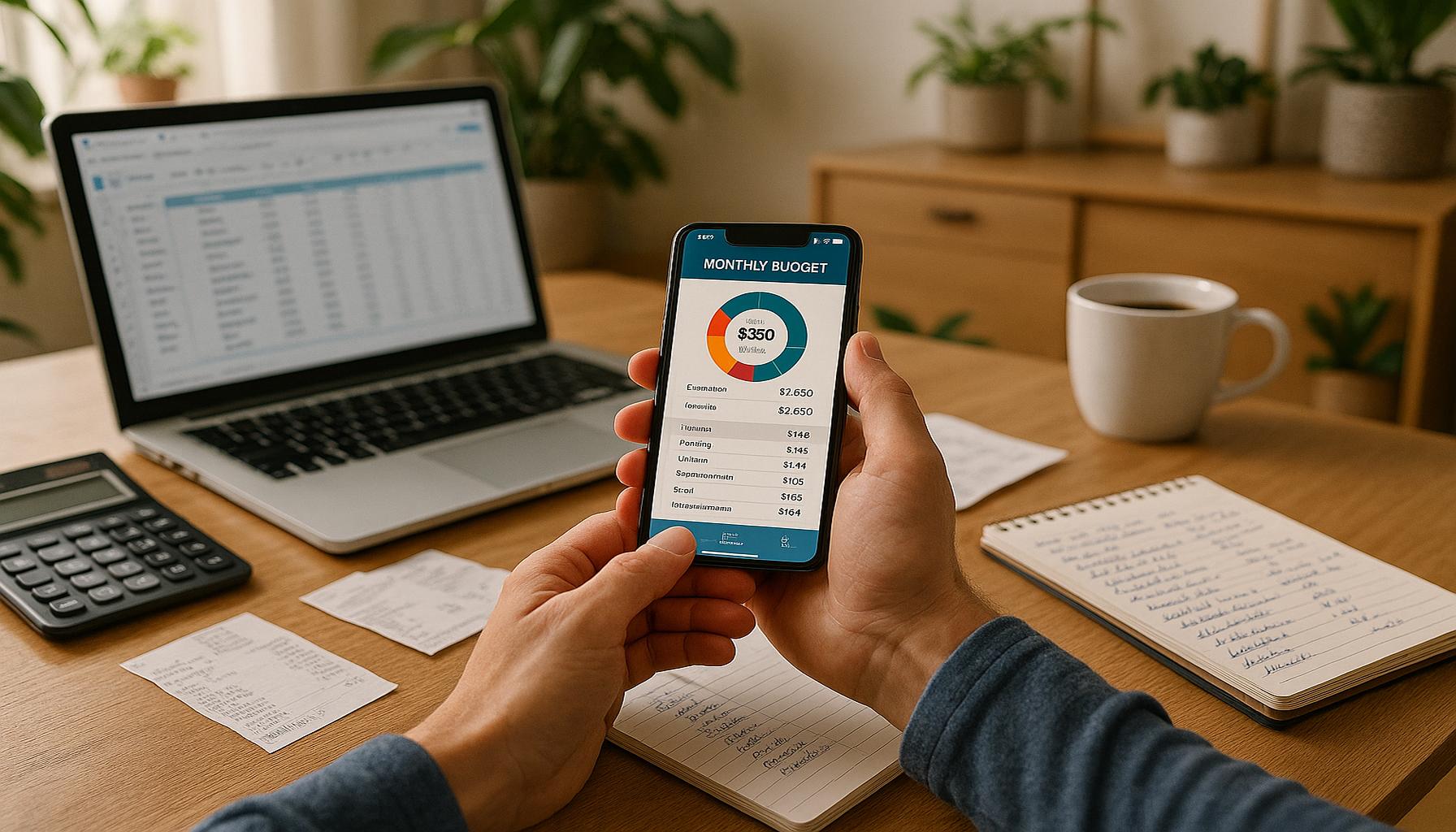
One of the most vital components of sticking to your budget is actively tracking your spending. It’s not uncommon for your intentions to slip away if you’re not mindful. Whether you choose to do it through a simple notebook, a spreadsheet, or a budgeting app, documenting every expense will help you maintain awareness of your financial habits.
For example, if you have a weekly grocery budget of £50, keep receipts or log your expenses in real-time. This means you can easily see if you are nearing your limit before the week is out. Many budgeting apps allow you to categorize your expenses automatically and generate reports to identify trends. Being vigilant about tracking your spending will enable you to make informed decisions and avoid impulsive purchases.
Develop a Savings Habit
Incorporating savings into your budget is essential for long-term financial stability. Treat savings like a fixed expense that you need to pay every month. Consider setting up an automatic transfer to a savings account as soon as you receive your income. This way, you “pay yourself first,” ensuring you are contributing to your savings before you consider discretionary spending.
Even if saving seems difficult at first, starting with small amounts can lead to big results over time. For instance, you could set aside just £20 to £30 a month. As spending habits improve and expenses are fine-tuned, you can gradually increase this amount. Saving for short-term goals—like a holiday or a new gadget—can keep you motivated. Keeping these goals tangible and reachable can make the process rewarding and exciting.
Plan for the Unexpected
No budget is complete without accounting for unforeseen expenses. Emergencies and surprise costs can derail even the best budgeting plans. That’s why building an ‘emergency fund’ should be a priority within your budgeting strategy. Aim to have at least three to six months’ worth of living expenses saved to cushion those unexpected financial blows, such as car repairs or medical bills.
In addition to an emergency fund, it’s also wise to periodically set aside a small amount of your budget for contingencies. For instance, you could allocate £10 to £20 each month in a miscellaneous category. This way, you have some flexibility within your budget to absorb minor unforeseen costs without feeling stressed about adherence.
Stay Accountable
Finding a support system can enhance your budgeting experience significantly. Share your budgeting goals with a trusted friend or family member who can hold you accountable. You might even consider participating in a budgeting group, either online or in person. Regular check-ins can serve as a source of motivation and encouragement while providing the opportunity to share ideas and strategies for improvement.
Remember, budgeting is a journey, not a destination. Being open about your challenges and successes can foster a community of like-minded individuals who are on a similar path. Together, you can celebrate milestones and learn from one another’s experiences.
LEARN MORE: Click here to find out how to apply
Conclusion
Creating an effective personal budget is an empowering step towards financial health and stability. As you embark on this journey, it’s essential to remember that a budget is not a set of restrictions but a tailored roadmap designed to help you meet your financial goals. By tracking your spending, you can gain invaluable insights into your habits and make informed decisions to optimise your finances.
Building a savings habit is crucial, and regarding it as a non-negotiable expense will help set the foundation for a secure future. Whether it’s for a rainy day or a dream getaway, prioritising savings encourages you to think beyond immediate desires and focus on long-term gains. Moreover, preparing for the unexpected by establishing an emergency fund provides peace of mind and resilience against unforeseen financial challenges.
Along the way, maintaining a support system can significantly enhance your budgeting experience. Sharing your goals with friends or family, or engaging with a community focused on personal finance can motivate and inspire you to stay committed. Remember, budgeting is ongoing—it’s natural for life circumstances to change, so flexibility is key. Regularly revisiting and adjusting your budget will ensure it remains a relevant tool for you.
By applying these practical tips, beginners can transform budgeting from a daunting task into an integral part of their financial routine, empowering them to manage their resources effectively and achieve their aspirations. Armed with knowledge and discipline, anyone can take control of their financial future.

Linda Carter
Linda Carter is a writer and financial expert specializing in personal finance and financial planning. With extensive experience helping individuals achieve financial stability and make informed decisions, Linda shares her knowledge on the our platform. Her goal is to empower readers with practical advice and strategies for financial success.