How to Use Personal Finance Apps to Optimize Your Budget
Understanding Personal Finance Apps
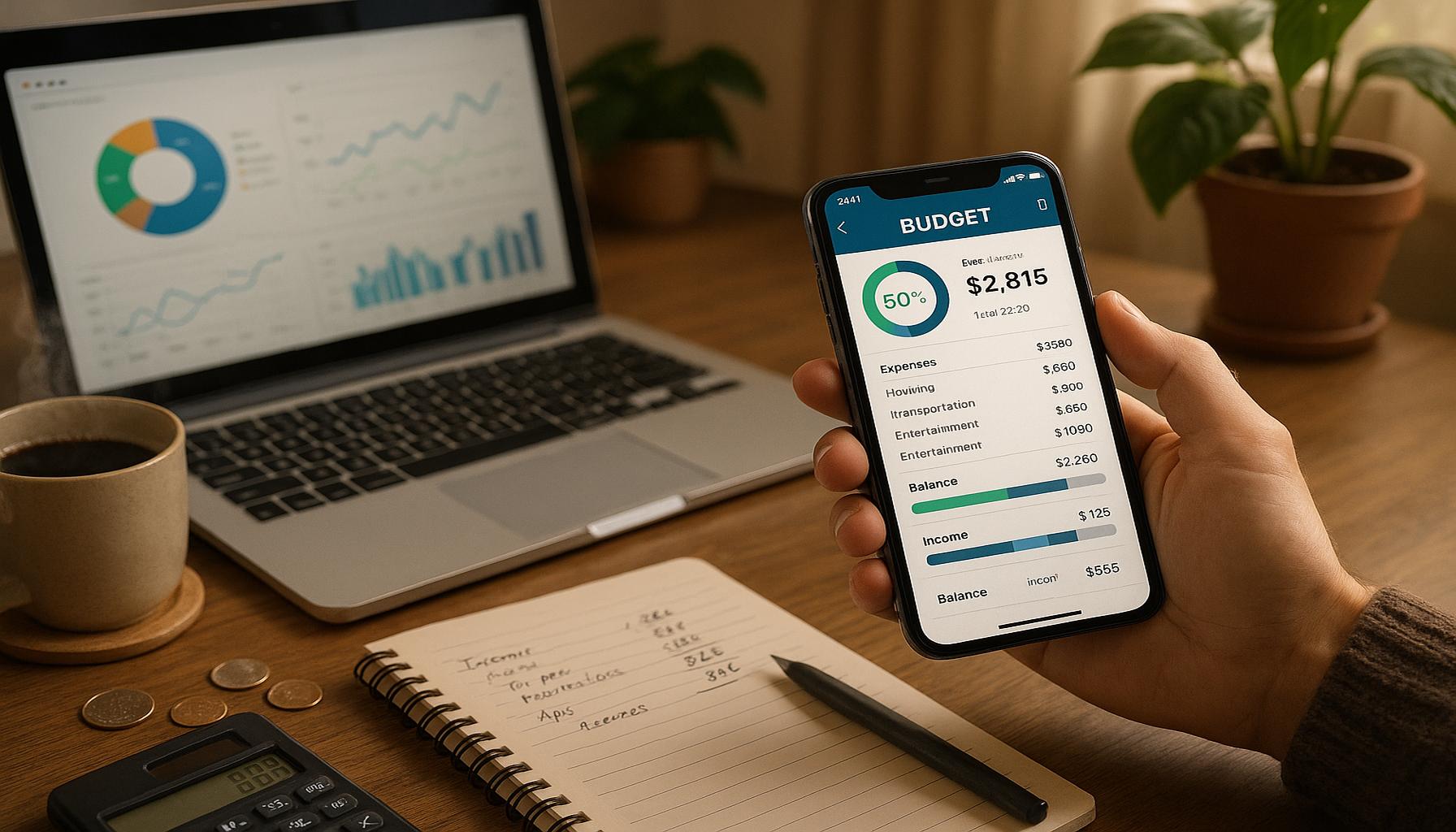
Managing your finances can often feel like navigating a complex maze, with bills, savings, and unexpected expenses vying for your attention. The good news is that personal finance apps are here to transform this confusion into clarity. These tools simplify budgeting and expenditure management, allowing you to make informed financial decisions with just a few taps on your smartphone.
Key Benefits of Personal Finance Apps
These apps come packed with features tailored to enhance your budgeting experience. Here’s a deeper look into some of the most significant advantages:
- Real-Time Tracking: One of the standout features of personal finance apps is the ability to monitor your spending as it occurs. For instance, when you buy your weekly groceries or fill up your car with petrol, these expenses are logged instantly. This immediate feedback helps you stay aware of your current financial position, allowing you to adjust your spending habits on the fly.
- Budgeting Tools: Many apps allow you to set specific spending limits across various categories, such as dining out, clothing, or entertainment. By setting realistic limits—say, £200 for dining out in a month—you can cultivate discipline and avoid overspending, which is crucial for maintaining a healthy financial status.
- Expense Categorization: Personal finance apps typically auto-categorize your transactions into different areas, such as utilities, groceries, and transport. This feature not only saves you time but also helps you visualize where your money is going. For example, if you find that a significant portion of your expenses is going toward takeaways, this insight can motivate you to cook more at home and save money.
- Goal Setting: Want to save up for a holiday to the Lake District or a new laptop? These apps facilitate goal setting by allowing you to specify amounts and deadlines. You can track your progress toward these financial goals, making it easier to stay motivated and focus on your savings efforts.
In the UK, popular apps like Monzo, Revolut, and YNAB (You Need A Budget) have gained traction for their user-friendly interfaces and robust feature sets. For example, Monzo’s budgeting function lets users set aside money in “pots,” effectively compartmentalizing savings for different goals. By integrating such tools into your daily routine, you not only enhance your financial literacy but also build better financial habits over time.
This guide will delve into effective strategies for utilizing these personal finance apps to optimize your budgeting. By the end, you’ll be equipped to manage your finances with greater confidence and ease, empowering you to reach your financial aspirations.
DIVE DEEPER: Click here for more details
Getting Started with Personal Finance Apps
As you embark on your journey to optimize your budget, the first step is to familiarise yourself with the basic functionalities of personal finance apps. Most of these applications are designed with user-friendliness in mind, ensuring that even if you’re not particularly tech-savvy, you can navigate them with ease. Here’s how you can effectively start utilising these tools to bring structure to your financial life.
Choosing the Right App for You
The initial phase involves selecting a personal finance app that aligns with your unique financial habits and needs. There are several criteria you should consider:
- User Interface: Look for an app that offers a clean and intuitive interface. A cluttered or confusing layout can make budgeting feel like a chore, rather than a helpful tool.
- Compatibility: Ensure that the app is compatible with your bank accounts and credit cards. Many apps connect directly to your financial institutions to automatically sync transactions, saving you time on manual entries.
- Cost: While some apps are free, others may require a subscription for premium features. Determine what you are willing to pay and find an app that fits within your budget while still meeting your needs.
- Community and Support: Some apps offer user communities and extensive supportive resources. This can be beneficial if you have questions or need encouragement as you take control of your finances.
By evaluating these factors, you can narrow down your choices and find an app that best prepares you to optimise your budgeting efforts.
Setting Up Your Accounts
Once you’ve selected an app, the next step is to set up your accounts. This typically involves several straightforward steps:
- Link Your Bank Accounts: Start by securely linking your bank accounts and credit cards to the app. This allows for seamless tracking of your transactions without manual input.
- Input Your Income: Accurately entering your income—be it from your salary, investments, or additional sources—is a crucial part of the setup process. This figure forms the backbone of your budgeting.
- Define Your Expense Categories: Personal finance apps often allow you to create or modify expense categories. Take a moment to think about your common purchases, such as groceries, housing, utilities, and entertainment, and structure these categories accordingly.
After setting up your accounts, you’ll be ready to dive into the more practical aspects of budgeting. This initial preparation lays the groundwork for maintaining financial clarity and empowers you to make informed budgeting decisions moving forward.
By taking the time to choose the right app and set your accounts correctly, you set yourself up for success. With this foundation in place, you can now leverage the in-app features to closely monitor your spending habits and make adjustments as needed.
DISCOVER MORE: Click here for a step-by-step guide
Maximizing the Features of Personal Finance Apps
After setting up your accounts and familiarizing yourself with the basic functionalities, it’s time to take full advantage of the features that personal finance apps offer. These tools include a range of functionalities that can help you monitor your spending, track your savings, and ensure you stay within your budget. Below are some key features to utilise effectively.
Tracking Your Expenses
One of the primary advantages of personal finance apps is their ability to automatically track your expenses. As transactions occur, your app will log them, categorizing each to allow you to see where your money is going. This visibility is crucial. For example, if you’re spending significantly more on dining out than you anticipated, you can make adjustments in real-time.
To make the most of this feature, ensure you regularly review your transactions. Set a weekly reminder to check your spending patterns. This way, you can catch unnecessary expenses early on and apply adjustments before they disrupt your budget.
Setting Goals and Budgets
Most personal finance apps offer the ability to set budget limits for individual categories, helping to keep your spending in check. For example, if you wish to limit your grocery spending to £200 a month, you can easily establish this budget within the app. Breaking down your goals into specific categories allows for comprehensive tracking and accountability.
Moreover, these applications often allow you to set savings goals as well. Whether it’s saving for a holiday, a new car, or an emergency fund, setting specific targets encourages you to stay committed. You could set a goal of saving £500 for a weekend trip, and the app would track your progress, showing how much you’ve saved and how much is left to reach your target.
Generating Reports and Insights
Another powerful feature of personal finance apps is their reporting capabilities. Many apps generate detailed reports and insights on your financial health. You’ll have access to graphs and charts that illustrate your income versus expenses, helping you identify trends in your spending habits over time.
Utilizing these reports enables you to conduct a thorough analysis of your financial situation. For instance, if an analysis shows a spike in entertainment expenses over the past few months, you may decide to cut back. Regularly reviewing these insights—ideally on a monthly basis—can help you stay aligned with your financial goals.
Receiving Alerts and Notifications
Most finance apps come equipped with alert features that can help you maintain control over your finances. You can set up notifications to alert you when you are nearing your budget limit in a specific category or when upcoming bills are due. This proactive approach ensures you avoid unnecessary bank fees or missed payments.
These alerts can also remind you of your savings goals. For example, if you’re trying to save a certain amount for a trip, you can receive reminders encouraging you to stay diligent in your savings. This way, the app actively supports you in your financial journey.
By harnessing these features—tracking expenses, setting budgets, generating insights, and receiving alerts—you can transform your budgeting experience into a more organized and efficient process. Using these tools strategically will not only keep you accountable but will also empower you to make informed financial decisions that lead to long-term success.
DISCOVER MORE: Click here for a step-by-step guide
Conclusion
In today’s fast-paced world, effectively managing your finances can often seem daunting. However, the integration of personal finance apps into your budgeting routine can simplify this process significantly. By utilising key features such as automatic expense tracking, goal setting, insightful reporting, and handy notification alerts, you can gain valuable insights into your financial habits.
Always remember that consistency is key. Regularly reviewing your transactions, adjusting your budgets, and setting achievable savings goals can help you stay on track. For example, if you notice a recurring overspend in entertainment, reassessing that budget while actively working towards your savings goal for a family holiday can foster a balanced approach to spending and saving.
Moreover, the ability to generate reports allows you to visually comprehend your financial status, reinforcing your commitment to reach your goals. With greater awareness of your financial behaviours, you become empowered to make informed decisions that pave the way for a more secure financial future.
In essence, personal finance apps are not just tools; they are your partners in financial empowerment. Embrace this technology, and let it guide you towards a better understanding of your finances. With discipline and the right strategies, you can optimally manage your budget and move forward confidently on your financial journey.

Linda Carter
Linda Carter is a writer and financial expert specializing in personal finance and financial planning. With extensive experience helping individuals achieve financial stability and make informed decisions, Linda shares her knowledge on the our platform. Her goal is to empower readers with practical advice and strategies for financial success.